




Research and Science on Health Topic

The topic of mobile communications and health became increasingly important in science in recent years. Research work on the subject...


READ MORE

Featured Stories

Health and Science

Smart Shopper: Are Smoothies Healthy?


Smoothies are considered healthy. They should donate vitamins and support a healthy diet. But they often contain a lot of...

READ MORE

Simple Ways to Improve your Health, Wellness, Nutrition and Fitness


Now more than ever, it is important to stay fit and healthy. The home is the ideal place of all...

READ MORE

Jclin Bioinformatics

0

How Appetite-Stimulating Antihistamines Affect the Body

Dietary supplements and medicines can look surprisingly similar on a shelf, yet they are regulated and act on the body in very different ways. The U.S. Food and Drug Administration (FDA) regulates dietary supplements as food rather than drugs, while active pharmaceutical ingredients are substances intended to produce specific effects in the body. This distinction matters when a product marketed for appetite or weight gain contains a medicine such as cyproheptadine, rather than nutrients alone.

Products such as GML Apeti therefore need to be considered within the broader discussion of appetite-stimulating products and their ingredients. When cyproheptadine is involved, the expected effects and potential risks are connected to the pharmacology of a first-generation antihistamine, rather than simply to added vitamins, minerals, or calories. Research published in Frontiers in Pediatrics describes cyproheptadine as a first-generation H1 antihistamine whose appetite-stimulating effect has been recognized for decades.

How Appetite-Stimulating Antihistamines Affect the Body

Why Cyproheptadine Can Increase Appetite

Cyproheptadine was originally used for conditions involving histamine, including allergic symptoms and itching. It also has antiserotonergic activity, meaning that it interferes with some serotonin receptors. Because histamine and serotonin participate in neurological processes related to eating and satiety, blocking these pathways can influence hunger and food intake.

Clinical research supports an appetite effect in some populations. A systematic review published in Appetite examined 46 studies covering 21 treatment populations. Thirty-nine reported significant weight gain among participants receiving cyproheptadine, although the researchers emphasized that the studies differed considerably in design, patient characteristics, medical conditions, and methods of measuring outcomes. Few used objective measurements of appetite itself.

A more recent randomized, double-blind, placebo-controlled trial involving 375 adults with poor appetite also found an improvement in appetite among participants taking cyproheptadine. Findings published in Clinical Therapeutics showed increases in weight and body mass index as well. These results suggest a genuine pharmacological effect, but they do not mean the medicine produces the same response in every person.

Appetite Stimulation Comes With Other Effects

The same properties that make first-generation antihistamines active in the brain can produce unwanted effects. Sedation is especially relevant. The systematic review in Appetite identified transient mild to moderate sedation as the most frequently reported side effect, while the adult clinical trial reported somnolence as its most common adverse event.

This means increased hunger should not be considered in isolation. A person may experience sleepiness, dizziness, or reduced alertness alongside changes in appetite. The safety review published in Frontiers in Pediatrics found neurological reactions among reported adverse events, including drowsiness, confusion, agitation, hallucinations, and seizures, although these reports do not establish how often each reaction occurs among all users.

Weight Gain Does Not Always Mean Nutritional Improvement

Another important distinction involves what the number on the scale represents. Stimulating appetite can encourage someone to consume more calories, but additional body weight is not automatically evidence of improved nutrition or healthier body composition.

An early metabolic study reported through the U.S. National Library of Medicine’s PubMed database found that weight changes during cyproheptadine treatment could include varying proportions of fat, protein, and water. Although that investigation involved only two adults and cannot be generalized widely, it illustrates why weight alone is an incomplete measure of nutritional progress.

The underlying reason for poor appetite also matters. Low food intake may have nutritional, medical, medication-related, or other causes. Simply increasing hunger does not identify or address those causes. For people trying to gain weight, the quality and nutrient density of additional food remain important considerations, as does evaluating the evidence behind health supplements before relying on products marketed for a particular health or nutritional goal.

Evidence Has Important Limitations

Cyproheptadine has been studied for decades, but the evidence base for appetite stimulation remains uneven. The Appetite systematic review included randomized trials alongside cohort studies, case reports, and case series. Researchers also found substantial variation between study populations, making it difficult to apply one study’s results to every person seeking weight gain.

Dosage adds another layer of uncertainty when consumers encounter products outside standard medical channels. Appropriate medication dosing can depend on age, health status, indication, other medicines, and the formulation being used. Results from a controlled trial using a defined dose cannot automatically be applied to an independently marketed appetite product with uncertain composition or unclear dosing instructions.

What Adverse-Event Data Tell Us

Safety data provide useful context without predicting exactly what will happen to an individual. Researchers examining the French National Pharmacovigilance Database identified 93 reported adverse events associated with cyproheptadine between 1985 and 2020. Neurological effects represented the largest category, while liver complications were also documented.

The same review estimated hepatic adverse effects at roughly 0.27 to 1.4 cases per 1,000 exposed patients, placing them in the uncommon-to-rare range. The authors cautioned that precise risk could not be calculated because spontaneous reporting systems do not capture every exposure or every adverse reaction. Rare cases of serious liver injury nevertheless support taking the drug’s safety profile seriously.

Why Medical Guidance Matters

Appetite-stimulating antihistamines occupy a different category from ordinary calorie-rich foods or basic nutritional supplements. Their effects come from altering biological signaling, which explains both their potential influence on hunger and their capacity to cause sedation and other adverse reactions.

For consumers considering cyproheptadine-based weight-gain products, the most useful question is therefore broader than whether the product can increase appetite. Its ingredients, actual dose, regulatory status, possible interactions, individual health factors, and reason for poor appetite all matter. The FDA advises consumers to discuss supplements with healthcare professionals because biologically active ingredients can interact with medicines or existing medical conditions, and products marketed as supplements can sometimes contain undeclared drugs.

Current evidence suggests that cyproheptadine can stimulate appetite and promote weight gain in some people, while sedation is a well-recognized consequence and rarer complications have been reported. Better controlled research could clarify who benefits most, what treatment duration is appropriate, and how risks change across different populations. Until those questions are answered more fully, professional medical guidance remains an important part of evaluating any pharmaceutical approach to appetite and weight gain.

0

Digital Lifestyle and Physical Health: Streaming, Sleep, and Eye Care

digital streaming health

According to the ASEAN Digital Health Association, over 80% of adults in Southeast Asia stream video content at least once a week, while nearly half spend two hours or longer watching in a single session. For many, this daily leisure routine provides entertainment, connection, and a much-needed break from work or household responsibilities. Yet few people stop to consider how these viewing habits may influence their physical well-being over time.

Local audiences increasingly turn to on-demand platforms to catch up on series, watch live sports, or enjoy new releases after hours. Many users spend their evenings exploring content on the Cima Now entertainment site, often extending sessions well past their intended bedtime. This pattern is not unique to one platform, but it reflects a broader shift in how people balance digital enjoyment with basic bodily needs.

How Streaming Habits Interact With Your Body

Most streaming sessions follow predictable patterns. Viewers often queue up three or more episodes in a row, let auto-play take control, or settle into bed with a mobile device to finish a story arc. They may stream while eating, scroll through other apps during scenes, or switch between a phone, tablet, and television over the course of a weekend. Research from the World Health Organization notes that these extended, uninterrupted screen sessions align closely with known risk factors for eye strain, sleep disruption, and muscular discomfort.

Blue Light, Circadian Rhythms, and Restful Sleep

All digital screens emit blue light, a short-wavelength light that travels easily through the eye to the retina. In nature, blue light appears most strongly during daylight hours, signaling to the brain that it is time to be alert. When you stream late into the night, artificial blue light mimics daylight and suppresses the production of melatonin, the hormone that prepares your body for sleep, explains the American Academy of Sleep Medicine. The intricate relationship between light exposure and our internal clock is a topic of ongoing research, with studies highlighting how even small amounts of light at night can disrupt physiological processes. For a deeper dive into the science behind how nighttime lighting affects our health, you can explore spotlights and health: the science behind nighttime lighting and its impact on human well-being.

Even if you fall asleep quickly after turning off a show, your sleep cycles may still be disrupted. You may spend less time in deep restorative sleep and rapid eye movement sleep, leaving you groggy or irritable the next day. This effect is stronger when watching exciting or emotional content, which keeps the brain active even as the body tries to wind down.

Digital Eye Strain and Long-Term Visual Comfort

When focused on moving images, people blink about half as often as normal, according to findings from the American Optometric Association. Blinking spreads moisture across the eye surface, so reduced blinking leads to dryness, burning, or a feeling of grittiness. Fast scene changes, bright highlights, and small on-screen text force the eyes to work harder, worsening fatigue.

Common symptoms include blurred vision, mild headaches, and increased sensitivity to light. Over weeks and months, these repeated strains can make your eyes feel tired more quickly during everyday tasks like reading or driving.

Sedentary Behavior and Ergonomic Risks

Streaming often encourages long periods of stillness. Sitting or lying in one position for hours slows blood flow, stiffens joints, and places uneven pressure on the spine. Many viewers hold phones low on their chests, prop tablets on their stomachs, or rest laptops directly on their laps. This creates what physical therapists call “text neck,” rounded shoulders, and lower back tension, notes the Philippine Physical Therapy Association.

Televisions placed too high or too low also force the neck to tilt up or down for long periods. Soft sofas or beds that lack firm back support can exaggerate poor posture, leading to persistent aches that last long after the viewing session ends.

Evidence-Based Tips for Healthier Streaming

Small, consistent changes can make a large difference without cutting back on the content you enjoy.

Protect Your Sleep

  • Stop streaming 45 to 60 minutes before you plan to sleep. Save late-night episodes for the next day by downloading them ahead of time.
  • Turn on your device’s built-in blue light filter or night mode after 7 PM.
  • Watch in a softly lit room rather than complete darkness. This reduces the contrast between the bright screen and your surroundings.

Ease Eye Strain

  • Follow the 20-20-20 rule: every 20 minutes, pause your show and look at something at least 20 feet away for 20 seconds.
  • Match screen brightness to the room. Avoid maximum brightness in dim spaces or low brightness in bright rooms.
  • Keep phones about one foot away, tablets two feet away, and televisions three or more feet away from your eyes.

Improve Posture and Movement

  • Hold all screens at or slightly below eye level. Use stands or mounts instead of resting devices on your lap or chest.
  • For laptops, use an external keyboard and mouse so you can raise the screen height.
  • Stand, stretch, or walk in place during advertisements or between episodes to keep blood flowing.

Set Gentle Boundaries

  • Turn off auto-play so you have a natural pause between episodes.
  • Use built-in screen time tools to track how long you spend on streaming apps.
  • Choose larger screens for sessions longer than one hour to reduce eye effort.

Conclusion

Streaming platforms exist to bring stories, sports, and entertainment closer to you. They fit easily into busy schedules and offer comfort after long days. Health issues arise not from the content itself, but from how often and how mindlessly we consume it. By paying attention to lighting, posture, timing, and breaks, you can enjoy your favorite shows without trading away your sleep, vision, or physical comfort. Next time you settle in to watch, remember that the best viewing experience leaves you feeling refreshed, not drained.

0

Increasing Productivity in Diablo 2: The D2R Time-Saving Strategies

Precision and efficiency are essential in science and gaming. On-game services like time-saving Diablo 2 provide a means in which one can get useful d2r items. It can be possible without having to spend hours farming. These services enable players to concentrate on strategy, experimentation and exploiting character potential.

A Strategic Gameplay: The Involvement of a Scientific Approach

a player sitting in front of a computer with proper gaming accessories while reading health-related articles

The researchers also simplify experiments to have accuracy. Their goal is for the players to use the services to simplify their activities in the game. The effective purchase of d2r items enables making in-game time productive and meaningful. As a result, it allows players to engage in the so-called experiments, trying various character setups, and fighting patterns.

The Health Benefits of Efficient Gaming

Although gaming does not appear to have any relationship with health, stress may occur due to frustration or constant grinding. The fatigue during the games is mitigated by using time-saving services and the right gaming accessories. Players can also have a balanced experience of enjoying leisure and the state of mind.

This makes gaming a good experience rather than a tension maker.

The In-Game Efficiency Maximization

The services offer a total solution to the item acquisition, character leveling, and crafting. With the simplified grind, the players will get access to valuable d2r items faster. That technique will directly improve their in-game experience. The outcome is the result of the optimization of the system in which all activities are meaningful. It resembles the principles of efficiency in scientific workflows.

Safe and Reliable Options

Official services are secure in the delivery of in-game items and character development. Players are able to have confidence that their characters are safe. Yet, they may also enjoy the rapid acquisition of items. This is a strategy that resembles attentive design and management in scientific processes.

Broadening the Horizons of Gameplay

Having the necessary items acquired in a short period of time, players will have the opportunity to experiment with the characters. It is to see how various skills interact, and to deal with more sophisticated content of the game. The creativeness and strategic thought processes are therefore encouraged by time saving services.

0

The Hidden Science of Hygiene: How Grout Cleaning Protects Against Germs and Allergens

happy family walking barefoot on clean tiles

Tiles might sparkle after a quick mop, but the real story lies between them. Grout lines, those narrow gaps that hold your tiles together, often trap dirt, moisture, and microscopic invaders that your eyes cannot see. Over time, they become breeding grounds for bacteria, mold, and allergens that quietly compromise your indoor air quality.

Professional cleaning is not just about appearance, it’s about health. That is where floor restoration specialists come into play. They use advanced tools and eco-friendly solutions to remove grime and microorganisms hidden deep in porous grout. The result is a cleaner home and a healthier environment for your family.

1. The Microbial World Beneath Your Feet

Every step on a tiled floor stirs up invisible particles. Grout is highly porous, meaning it absorbs moisture and organic matter. This makes it a perfect home for bacteria like E. coli, mold spores, and even dust mites. In damp areas such as bathrooms or kitchens, these microorganisms multiply quickly and release allergens into the air. When disturbed, they can circulate throughout your living space, triggering respiratory issues, allergies, and even infections.

2. Why Mold Loves Grout

Mold thrives where there is moisture, darkness, and food particles. Grout provides all three. When soap scum, shampoo residue, or kitchen grease seep into the grout, they feed mold colonies that cling tightly to the surface. Over time, the buildup causes discoloration and unpleasant odors. But the real danger lies in airborne mold spores, which can irritate the lungs and aggravate asthma.

3. How Cleaning Translates to Better Air Quality

Air quality begins at ground level. When grout is neglected, contaminants from it rise as fine dust whenever someone walks across the floor. These tiny particles mix with indoor air, affecting those who are sensitive to allergens. Professional grout cleaning removes this hidden reservoir of pollutants, reducing the spread of irritants and creating fresher air inside your home.

4. The Science Behind Professional Grout Cleaning

Modern grout cleaning uses precision and power. Professionals rely on high-pressure steam, specialized detergents, and vacuum extraction systems that reach deep into the pores of the grout. Through ongoing scientific advancements, cleaning companies have enhanced their methods to achieve deeper sanitation and improved efficiency. This combination lifts and removes bacteria, mold, and stains more effectively than manual scrubbing.

5. DIY Cleaning vs. Professional Methods

There’s a clear difference between what you can do and what professionals achieve. Household cleaners may remove surface dirt, but they rarely eliminate bacteria and allergens embedded deep within the grout. Bleach, for instance, might make grout look cleaner but does little to destroy mold roots beneath the surface. On the other hand, professional cleaners combine science and experience to ensure every crevice is disinfected and sanitized.

6. Common Health Risks of Dirty Grout

Neglecting grout can affect your health more than you realize. The bacteria and mold thriving there can lead to:

  • Chronic coughing, sneezing, and nasal congestion
  • Worsened asthma and bronchial irritation
  • Eye and skin irritations
  • Unpleasant odors that linger even after cleaning

Children and pets are especially vulnerable. Since they spend more time close to the floor, they inhale more dust and allergens that collect in grout lines. Keeping these areas clean ensures their environment is safe and healthy.

7. The Long-Term Benefits of Routine Grout Maintenance

Regular professional cleaning is a form of preventive care. It extends the life of your tiles and grout, prevents staining, and keeps surfaces hygienic. More importantly, it safeguards your family from hidden threats that thrive in neglected corners. Choosing trusted floor restoration specialists once or twice a year ensures that your tiles not only shine but also contribute to a healthier living space.

8. The Takeaway: Clean Grout Equals Cleaner Living

“A spotless floor is more than beauty, it’s a statement of care and commitment to health.”

Clean grout goes beyond appearance; it’s about overall well-being. A properly cleaned and sealed floor means fewer germs, less mold, and cleaner air. When professionals handle your grout cleaning, you are not just investing in cleanliness, you are investing in health. The work of floor restoration specialists proves that science and hygiene go hand in hand, creating homes that truly shine from the ground up.

0

Health & Science: The Impact of AI in Medical Research

Growth of AI in Medical Research

The role of AI in medical research has grown significantly in recent years. Advances in machine learning, deep learning, and natural language processing are now aiding scientists in diagnosing diseases, discovering new treatments, and even predicting patient outcomes. A recent breakthrough involves using AI algorithms to analyze massive sets of medical data, identifying patterns that might go unnoticed by human doctors.

AI in Studying Complex Diseases

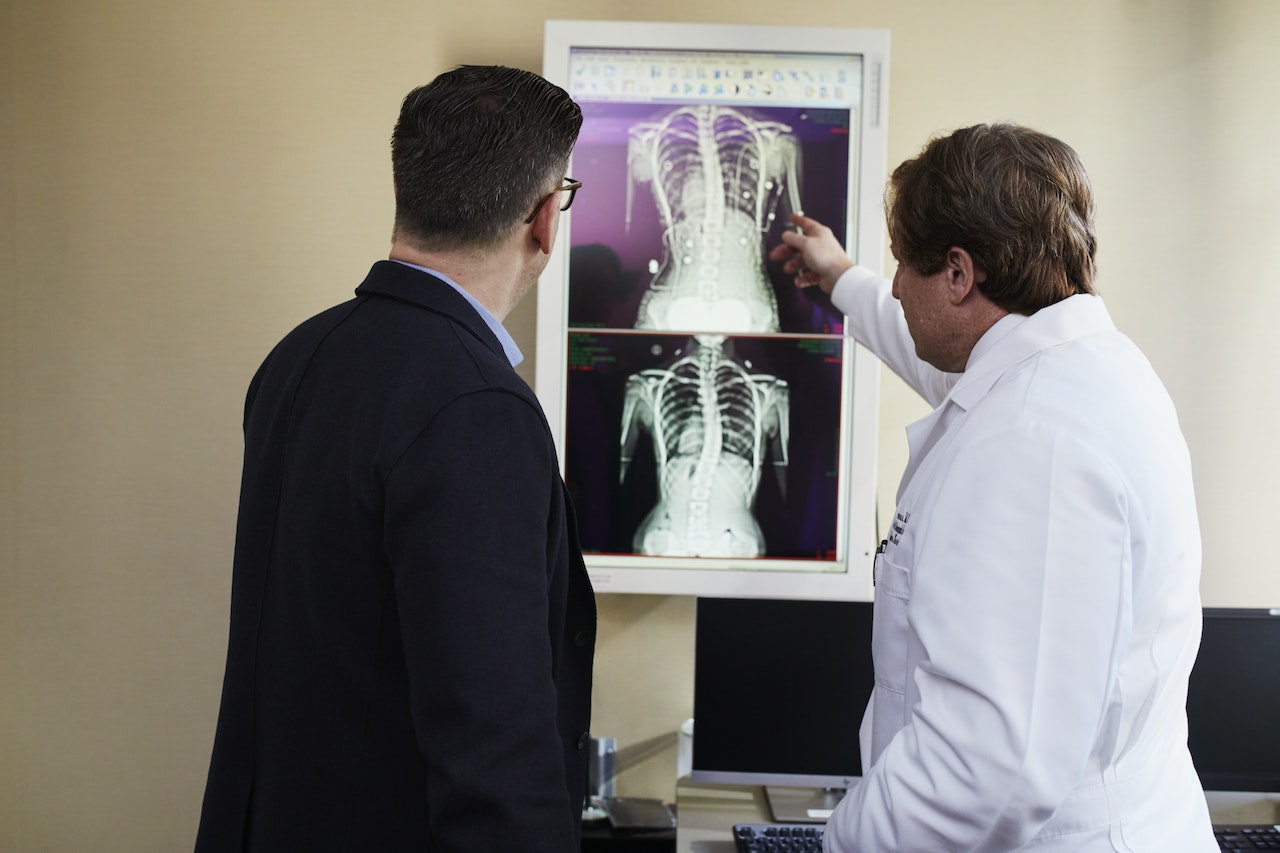
AI is now being used to study complex diseases such as cancer, Alzheimer’s, and heart disease. Researchers are training AI models to recognize early signs of these diseases from medical images like X-rays and MRIs. This can lead to earlier diagnoses and improved treatment outcomes.

AI as an Invaluable Tool in Medicine

While AI isn’t a replacement for human expertise, it’s proving to be an invaluable tool. For instance, it can analyze a patient’s genetic makeup and predict which drugs would work best, personalizing treatment plans and minimizing the risk of adverse reactions. As the technology progresses, we can expect AI to revolutionize the way healthcare is delivered.

0

Why Car Owners in the Netherlands Give Considerable Attention to Wheel Rims

Image depicting rough rural roads in the NetherlandsIn the Netherlands, car owners give considerable attention to the rim (velgen) because every rim holds and seals each tire to the wheel while ensuring an appropriate fit. That way, all wheels will effectively distribute the weight of the vehicle across tubeless tires.

Most Dutch car owners are aware of the support provided by rims, which includes maintaining the air inside the tubeless tires that act as cushions to reduce friction. After all, it’s important to reduce friction by having a good set of rims because it allows the vehicle to place greater reliance on the thrust force generated by its engine.

Otherwise, a vehicle without proper rim support, uses some of the gas to withstand friction or resistance. Such cases denote inefficient handling of gas mileage — being the number of miles that a particular amount of fuel that a vehicle uses during a road trip.

The Need to Have Awareness Over the Signs of Rim Trouble

image if wornout tore rimsInasmuch as the rims of a wheel are of significant importance for Dutch car owners, they take notice if their tires are showing certain signs of having rim troubles.


In the Netherlands, years of usage and frequency of hitting deep potholes are the most common causes of rim damage. Road salts also adversely affect the rims because salt tends to eat away the metal in ways that weaken a rim’s resistance against wear and tear.

A Dutch car owner who is used to travelling on bumpy rural roads consider an overly vibrating steering wheel as a potential sign either of a problematic suspension or of the possibility of having worn out rims. It becomes clear that the problem concerns worn out rims, if upon inspection the tires show visible scalloped patterns.

At any instance that the rims of a vehicle are compromised in the sense that it can no longer hold air or support braking actions, owners of cars in the Netherlands lose no time in replacing the components.

Consider Purchasing Competitively Priced Rims Online at Wheelpoint

Purchasing rims similar to the rims being replaced is deemed as the safest and most practical approach to buying a new set of rims. Yet some car owners are inclined to make changes that will give their car a new look.

Many private vehicle owners in the Netherlands, consider buying online from Wheelpoint, the webshop supporting the Wheelpoint showroom located in Uden. Actually, the tire and rim company is on record to have sold and served as many 45,000 satisfied customers. All of whom highly recommend the fast and competent services of the shop’s highly-trained professionals who have given sound advice to those looking to customise their rims.

0

Spotlights and Health: The Science Behind Nighttime Lighting and Its Impact on Human Well-being

sleep and nightlamp

Artificial lighting has revolutionized our lives, allowing us to extend our activities well into the night. However, the increasing use of nighttime lighting, including outdoor spotlights, has raised concerns about its impact on human health. Recent scientific research has shed light on how exposure to artificial light at night can disrupt sleep, alter circadian rhythms, and affect overall well-being.

The Effects of Artificial Light on Sleep

Exposure to artificial light at night, particularly blue light emitted by LEDs, can interfere with the body’s natural sleep-wake cycle. The human body relies on cues from the environment, such as the rising and setting of the sun, to regulate circadian rhythms. When artificial light is introduced into the nighttime environment, it can trick the body into thinking it is still daytime, leading to difficulties falling asleep and staying asleep.

This disruption of sleep can have serious consequences for health, including increased risk of chronic conditions such as obesity, diabetes, and cardiovascular disease. Moreover, poor sleep quality can lead to daytime fatigue, reduced cognitive function, and mood disturbances, affecting daily life and overall well-being.

For those interested in learning more about the effects of artificial lighting on sleep and well-being, it’s essential to explore the growing body of scientific research on the subject.

READ ALSO: Having A Healthy Family Lifestyle Is A Guarantee For A Healthy Child

Circadian Rhythms and Mental Health

Circadian rhythms are the natural, internal processes that regulate the sleep-wake cycle and other biological functions. These rhythms are influenced by environmental factors, with light being one of the most significant. When circadian rhythms are disrupted by artificial light, it can lead to a host of mental health issues, including anxiety, depression, and mood disorders.

Research has shown that maintaining a consistent sleep schedule and reducing exposure to artificial light at night can help stabilize circadian rhythms and improve mental health. This is particularly important for individuals who are already prone to mood disorders or who have a history of mental health challenges.

The Role of Technology in Healthier Lighting

Advancements in lighting technology have made it possible to create healthier nighttime environments. For example, LED spotlights like the featured outdoor spot light by LEONLITE can now be designed to emit warmer, less disruptive light that is less likely to interfere with sleep. Additionally, smart lighting systems can be programmed to adjust the intensity and color temperature of lights throughout the day, mimicking natural light patterns and supporting healthy circadian rhythms.

While these technologies offer promising solutions, it is important to remember that they are only part of the equation. Individuals must also be mindful of their lighting habits, such as reducing screen time before bed and using blackout curtains to block out external light sources. By combining technology with healthy habits, it is possible to mitigate the negative effects of artificial light on sleep and overall well-being.

Conclusion

The science behind nighttime lighting and its impact on human health is clear: exposure to artificial light at night can disrupt sleep, alter circadian rhythms, and negatively affect mental and physical well-being. However, advancements in lighting technology, along with mindful habits, can help mitigate these effects. As we continue to rely on artificial lighting in our daily lives, it is crucial to be aware of its potential impact on health and take steps to create healthier nighttime environments.

0

The Science of Safety: How Physics Shapes Health in the World of Car Wheels and Rims

Volkswagen rims

Automotive design is a dynamic field where the intersection of health, science, and aesthetics converges to shape the driving experience. One crucial aspect often overlooked is the science behind car wheels and rims. As we journey through the physics governing these essential components, we unravel the intricate tapestry of advancements that not only enhance the visual appeal of vehicles but also contribute significantly to safety. Join us in exploring how technology and physics ensure a healthier and more secure driving experience.

The Foundation of Safety: Understanding Volkswagen Rims

At the core of this exploration lies the pivotal role of rims, and what better way to delve into it than by examining the craftsmanship of Volkswagen rims (Volkswagen velgen)? Volkswagen, a brand synonymous with innovation, has continually pushed the boundaries of automotive engineering. Their rims stand as a testament to the fusion of form and function.

  • Crafting Aesthetics: Volkswagen rims are not merely utilitarian; they are a work of art. The meticulous design process considers both aesthetics and functionality, creating rims that seamlessly blend with the overall design of the vehicle while ensuring optimal performance.
  • Material Matters: Physics comes into play as the choice of materials dictates the performance of rims. Volkswagen employs cutting-edge materials, balancing factors like weight, strength, and durability. This equilibrium ensures that the rims not only contribute to the visual appeal but also enhance the safety of the vehicle.

Advancements in Technology: A Safer Ride

1. Run-Flat Technology:

Modern rims, including those by Volkswagen, often incorporate run-flat technology. This innovation allows drivers to continue safely to their destination even after a puncture, reducing the risks associated with sudden tire failure.

2. Impact-Resistant Designs:

Physics guides the development of impact-resistant rim designs, providing an added layer of safety. The ability of rims to withstand impacts without compromising structural integrity is a crucial aspect of modern automotive safety.

Aesthetic Appeal: The Physics of Design

While safety is paramount, the visual allure of car wheels and rims cannot be ignored. Physics plays a key role in achieving a perfect balance between aesthetics and performance.

  • Size and Performance: The size of rims directly impacts the performance of a vehicle. Physics dictates the relationship between rim size, tire size, and overall performance. Striking the right balance ensures not only a stylish look but also optimal handling and maneuverability.
  • Aerodynamics: The design of rims influences the aerodynamics of a vehicle. Modern rims are crafted with precision, taking into account airflow patterns to reduce drag and enhance fuel efficiency.

The Road Ahead: Innovations on the Horizon

As technology advances, so does the science behind car wheels and rims. Emerging innovations promise even greater strides in safety and design.

  • Smart Rims: The integration of smart technology into rims is on the horizon. These rims could monitor tire pressure, temperature, and even detect potential issues, providing real-time data to enhance safety and performance.
  • Customization and Personalization: Future rims might offer more options for customization, allowing drivers to tailor their rims according to preferences without compromising safety standards.

READ ALSO: Unveiling the Science of Speed: Exploring the Tata Harrier’s Top Speed and Its Impact on Health

Conclusion

In the intricate world of automotive design, the science of safety woven into car wheels and rims is a fascinating tapestry. Volkswagen rims, with their blend of craftsmanship and technological prowess, exemplify the commitment to both aesthetics and safety. As we move forward, the fusion of physics and innovation promises a driving experience that is not only visually appealing but also inherently safer.

0

Why Health & Science Are Important

Health and science are two pillars of human knowledge that hold immeasurable significance in your life, both individually and collectively.

Health Education and Awareness

Health education, rooted in scientific knowledge, empowers individuals to make informed decisions about their well-being. It promotes healthy lifestyles, preventive care, and early detection of health issues, which can lead to improved health outcomes and reduced healthcare costs.

Environmental Sustainability

Science plays a pivotal role in addressing environmental challenges. From climate change to pollution control, scientific research informs you about the impact of your actions on the planet and guides you in finding sustainable solutions to protect the environment for future generations.

Health and science are the foundations upon which the well-being, progress, and future of humanity rest. By prioritizing health and investing in scientific research and education, you empower yourself to overcome challenges, improve your quality of life, and build a brighter, more sustainable future for all.

0

Exploring The Relationship Of Health And Science

In the intricate tapestry of human existence, the fields of health and science are tightly interwoven, constantly shaping and reshaping your understanding of the world and your place within it.

Unraveling the Mysteries of Disease

Science has been instrumental in unraveling the mysteries of diseases that have plagued humanity for centuries. From the discovery of antibiotics to the decoding of the human genome, scientific breakthroughs have paved the way for innovative treatments, improved diagnostics, and a deeper understanding of the genetic basis of diseases.

The Power of Prevention

Science has illuminated the path to prevention, emphasizing proactive measures to maintain health. Research into lifestyle factors, nutrition, and exercise has highlighted the importance of holistic well-being in disease prevention. Public health campaigns and policies are now informed by scientific evidence, leading to targeted interventions that address the root causes of health issues.

0

The Role Of Scientific Research In Improving Public Health

Scientific research plays a crucial role in improving public health by driving advancements and innovations in disease prevention and evidence-based practices. Through rigorous study and analysis, researchers strive to uncover new insights and solutions that can have a profound impact on the well-being of individuals and communities.

The Importance of Technology in Advancing Healthcare

In today’s rapidly evolving world, the role of technology in advancing healthcare cannot be overstated. From medical innovations to improved patient care, technology has revolutionized the way we approach and deliver healthcare services.

One of the key benefits of technology in healthcare is its ability to enhance efficiency and accuracy. Through electronic health records and digital imaging systems, healthcare professionals can access and share patient information seamlessly. This not only reduces paperwork but also ensures that critical information is readily available for timely decision-making.

0

The Relevance Of Health & Science

Health and science play an important role in everyday life. From the food you eat to the medicines you take, health and science are integral parts of your life. With advances in medical technology, you can now understand how your body works and how to keep it healthy. You can also use scientific knowledge to make informed decisions about the environment and the world around you.

How to Incorporate Health & Science into Your Routine

Incorporating health and science into your daily routine doesn’t have to be a chore. There are many simple and effective ways to stay fit, healthy, and informed in the modern world. With the help of small changes to your lifestyle, such as exercising regularly, eating nutritious meals, and staying up-to-date on scientific advancements, you can enjoy improved physical and mental health.

0

Role of Health & Science in Society

Health and science play a vital role in modern society. From advances in medical technology to breakthroughs in scientific research, these two disciplines have the power to improve the human condition. Every day, researchers and healthcare professionals are making discoveries that will help you better understand the world around you. From curing diseases to creating new technologies, health, and science are essential for progress in society.

The importance of investing in health & science for a better future

Investing in health and science is not only beneficial for the current generation but also for generations to come. Health and science investments can help you to create a better world through advancements in medicine, technology, and education. These investments can lead to improved quality of life, improved public health, increased economic growth, and more sustainable development.

0

The History of Health and Science

The history of health and science is a long and complex one. There has been a lot of progress in the field since the dawn of time.

The first person to document his health was Hippocrates, who considered himself to be “a physician”. He believed that disease could be treated through diet, exercise, and other lifestyle changes. His teachings were followed by many.

Why do you need to know about the history of health and science?

The history of health and science is important because it helps you understand how you got to where you are today. It also provides insight into the human condition and what motivates people to make changes in their lives.

0

How Does Nature Affect Human Health?

Health and human well-being depend to a large extent on the “health” of nature. Studies show that direct contact with the natural environment has direct optimistic effects on health, well-being, and socio-cognitive skills.

And how does climate change affect this?

The loss of biological diversity as a result of climate change will reduce natural space, reduce biological diversity and thus also affect human well-being and health worldwide.

Biodiversity provides services essential to human health and productivity, such as breathable air, potable water, productive oceans, and fertile soil for growing food. Natural ecosystems also assist in storing carbon and regulating climate, flooding, disease, pollution, and water quality.

In addition, nature performs culturally. Direct contact with nature has a very positive impact on your mood and happiness, energy levels, vitality, and heart rate. It affects health issues like depression, as well as your attention span and memory.

0

Preparing Your Body for Long Haul Travel

Long haul travel can take its toll on your body, but with the right preparation and maintenance, it doesn’t have to be a source of anxiety.

If you are planning on doing long haul travel, whether it be for work or pleasure, there are some things you need to know before you leave. Among which is ensuring that you know which heavy duty towing to call just in case your vehicle broke down in the middle of your trip.

The Need for Heavy-Duty Towing Service

During an enjoyable road trip, breakdowns or accidents can happen unexpectedly. When you’re far from home, having access to heavy-duty towing service can be a lifesaver. Whether it’s a flat tire, engine trouble, or a more serious issue, a reliable towing service can get you back on track quickly and safely.

  • Safety first: If your vehicle is experiencing problems, don’t hesitate to call for assistance. It’s better to address the issue promptly than risk further damage or endanger yourself and others on the road.
  • Peace of mind: Knowing that help is just a phone call away can make your road trip much less stressful. With heavy-duty towing service, you can relax and enjoy the journey, knowing that you’re prepared for whatever comes your way.
  • Professional assistance: Experienced towing professionals have the skills and equipment to handle even the most challenging situations, ensuring that your vehicle is towed safely to a repair facility.

Preparing Your Body for Long-Haul Travel

Backpackers who take extended trips often struggle to keep their muscles from atrophying due to inactivity. That’s why many avid travelers begin their training programs months in advance of their intended departure date. Whether your trip is two weeks or two months long, these tips will help get your body ready for the physical demands of extended travel.

Build Your Strength and Flexibility

One of the most important things to do when preparing for long haul travel is to build your strength and flexibility. This will not only help prevent injury and soreness during the trip, but will also help keep your muscles from atrophying, which can happen very quickly in an inactive body.

For strength exercises, focus on your core, upper body, and lower body. You don’t want to build bulk, but rather maintain muscle strength with exercises such as planks, push-ups, wide grip pull-ups, crunches, leg raises, and leg lifts.

For flexibility, it’s important to stay focused on your lower body, upper body, and legs. Again, you don’t want to build large muscles, but instead want to maintain the flexibility to prevent injury, increase blood flow, and keep your joints limber.

Stay in Shape with Cardio

To prevent injuries and keep your joints moving, walking is a great cardio exercise.

Walking on uneven surfaces, such as hiking trails, can even help strengthen your core. If you’re looking for a more vigorous cardio workout, try jogging, cycling, swimming, or even playing sports.

Stretch Daily

Stretching will not only keep your muscles flexible and limber, but it can also help release built-up toxins and ease muscle tension. For maximum results, try stretching for about 10 minutes every day. It’s also important to stretch slowly, as the goal is to increase blood flow and not cause an injury.

0

Health: One Of The Greatest Goods

Health is one of the greatest goods. It is the prerequisite for individual well-being as well as for the economic and social participation of each individual. Irrespective of this, however, it is also a productive factor. It ensures low sickness rates and people’s productivity.

Quality before quantity

It should not only be a challenge for health policy but at the same time the concern of all partners in the health care system. They have to keep this system qualitatively high and affordable.

The promotion and maintenance of health is primarily the task of the individual. Nevertheless, it is also in the interest of society to create conditions in the healthcare system. It is to make it possible to maintain, promote and restore the health of everyone, not only from the point of view of demographic development.

0

An Intro To Medicine And Health

A wide range of ethical questions arise in the field of health and medicine. For instance, fair distribution and access to the services in the health care system financed on the basis of solidarity are at the center of social debates. The question of how to react properly to the rising costs in the health care system is also a subject of constant controversy. This problem is exacerbated by demographic change and the associated challenges for medicine and care.

Issues in health and medicine

Another important issue is ensuring that patients have appropriate opportunities for self-determination. For instance, experts must consider the right to reproductive independence in the ethical evaluation of new improvements in reproductive medicine. All of these issues need ethical consideration in order to resolve justified individual claims with individuals of the community.

0

Health: Need For Intact Environment

In order to live healthy, you need a healthy environment. Influences such as pollutants or noise can make you ill. Many people are aware that environmental pollution and the consequences of global warming can damage their own health.

How environment and health are related

The environmental factors that are important for your health include above all homes and their furnishings. It also include the air around you, drinking water, food and bodies of water as well as everyday items such as clothing and cosmetics. These environmental factors can be contaminated with pollutants or with pathogens. Some environmental factors may also be associated with noise or radiation. They affect the human organism via the respiratory tract, the digestive system, the skin and the sensory organs and can impair health.

0

How Climate Change Affects Health

Climate change affects people’s health and well-being. Some are more affected than others. That is why it is important to strengthen the knowledge about adaptation and protection possibilities for oneself and others.

Science of heat waves and health

Climate change presents significant challenges in terms of health protection. Older people in particular do not cope well with persistently high temperatures. Knowledge of the connection between climate change and health must become everyday knowledge.

Heat waves do not affect everyone equally. Adaptation to climate change is a societal cross-cutting task. For this reason, Internet portals integrate other important information to educate people regarding the connection of climate change and health.

0

Basic Info On Health Science Studies

Health science is not concerned with the health of individuals, but with the health of the general population. It is about researching the causes of widespread diseases and preventive and treatment measures. This topic is not only important for companies who naturally want to ensure that their employees are healthy and productive. The state is also looking for experts in this field.

Health science studies

Public health is an ongoing issue. You read constantly about new common diseases such as burnout, and sitting sickness.  You can also read new preventive and treatment methods like meditation, Stone Age diet, and healthy work-life balance. If you like to research and develop solutions in the field of public health then a degree in health science is ideal for you.

0

What Is The Focus Of Health Sciences

The focus of health sciences is on the modalities of health on both physical and psychological. In addition, it focuses on illness and their systematic relationship to social conditions, both on an individual and on a collective level.

Professional opportunities for health sciences bachelor’s degree

A degree in health sciences, which is typically dealt with in a bachelor’s degree. It offers graduates an array of professional openings. You can complete a master’s degree in health sciences at selected colleges and universities after completing your bachelor’s degree. You can also choose to enter in one of the countless professional fields of health sciences.

0

Research and Science on Health Topic

The topic of mobile communications and health became increasingly important in science in recent years.

Research work on the subject of mobile communications and health

The large number of works on the electromagnetic fields of mobile communications generated new insights. It is into many previously neglected individual aspects of research such as electro sensitivity.  Science is constantly discussing these research. They serve as a starting point for new questions. In addition, it is important that science summarize and present the research results in a generally understandable way. This is the only way for each individual to get a clear picture.

0

Becoming a Health Science Major

If you want to study health science then you will deal with the disease and the health of the human body. You have to prepare yourself to work in a range of health-related settings and careers and settings. Typically, health science majors value health promotion, quality of health care, and disease prevention.

Thus, many dedicate their careers to educating the community. In addition, many of them dedicate their careers to improving the lives of their patients.

Health science major: What you need to know

This major combines numerous health areas into one. Programs provide a combination of labs, coursework, and experiential learning. Therefore, the training centres and schools equip you with the skills required to pursue a career in health care.


0

Science Is Transforming Global Health

Science expands your understanding and helps you build the future you desire for all individuals. It also makes the impossible possible.

Science brings data to help fight global diseases and health challenges

The development in digital health, mobile technology, and big data is changing your method of fighting health challenges and global diseases. Health care personnel are using mobile gadgets to get to their patients. Doctors use SMS to remind their patients to take their treatment adherence or tuberculosis drugs. Health ministries are setting up data so that many people can have access to it.

0

What Is The Aim Of Health Science

Health science deals with the physical, mental, social and psychological conditions of health and illness in a population. The aim is to avoid and contain disease in the population while at the same time promoting health and longevity.

What is health science doing?

Health science investigates how diseases develop, what factors influence them, what can be done about them and what effects the diseases or good health have on politics and society.

An example is increasing obesity among children and adolescents. A lack of exercise and the wrong diet is increasingly causing small children to become overweight. This has negative effects on their health. Health science has the task of finding solutions to this problem. At the same time, she examines the long-term consequences of obesity for the entire economy. Health science examines how to implement strategies politically.

0

Hair Loss and Health Problems

Losing your hair is frightening. However, for some, it is inevitable due to some illnesses such as anxiety, stress, post partum effects, and cancer. If one is already on the situation where he or she knows that his/her fair will fall out, that person should prepare for it to slowly accept the things to be considered after losing the hair.
Preparation might include cutting the hair especially if it short. Some people do not want to cut the hair but prefer to shave their heads off for a faster way of accepting things. Some just let everything fall and just use a mesh to catch the strands left. Although it grows after your treatment or medication, it is kid of frustrating to see yourself in such situation that the only thing you can do is to prepare and look for some alternatives.

There are three alternatives. First one is to flaunt your bald head and include it in your fashion. Just for the sake of learning to accept that you are ill and you got nothing to do with it and you still want to feel good outside even in reality you are under medication and you do not really feel that good. Second one is to wear a hat or a cap. This is one of the  common remedies. The third and also  the most common is to purchase a wig.

It will not be difficult for one to find and purchase wigs. The malls offer it already and if you have a support group you can surely own a wig in just a snap. If you want to be quite fashionable, braid wigs are already available. One might find it hard to cope in a situation that will make you think negative things. But looking and feeling good about yourself will definitely help you feel positive.


0

How to Improve Your Overall Health as Proven by Science?

How to Improve Your Overall Health as Proven by Science?

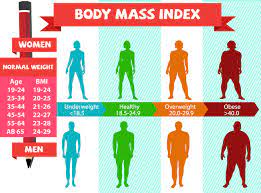
In the world we live in today, influenced by social media and more, we hear a lot of advice on what it takes to stay healthy. Maintaining and improving one’s health does not happen with a magic pill. What you do and don’t do on a regular basis has a huge impact on your overall health. 80% of chronic health condition such as cancer, diabetes and heart disease can be prevented. Maintaining a healthy Body Mass Index (BMI). Maintaining your BMI goes well beyond by looking trim.

Keeping a healthy weight reduces the risk of heart disease, stroke, high blood pressure, gall bladder disease, diabetes and other chronic diseases. People who are overweight have more complications from illness than people who are on a health range. It’s best to keep your BMI within normal range to attain optimal health.

Avoid tobacco. Choose a smoke free lifestyle. Remember to avoid second hand smoke as well since this is known to cause cancer.

0

Food is Medicine – The Apple

Herbs, vitamins, minerals and diet has the power to make millions of people happier and healthier with their use at less cost than many pharmaceutical products, and often with fewer side effects. The foods we take in to our body can heal some ailments and can prevent disease. Unhealthy eating can lead to heart disease, diabetes, cancer and other chronic disease that can be life threatening.

The apple is a common fruit. Here are some of its nutrients and how it can help our body.

  • Pectin. This is a soluble fiber that helps to lower cholesterol. It is also helpful in making you feel full. Anthocyanin are also food pigments found in apples which is an antioxidant that help defend against carcinogens.  Apples also help lower LDL cholesterol.
  • Glutathione. This is an antioxidant that have anti-cancer properties. It improves the immune system to fight off infections.
  • Quercetin. It is a plant pigment often termed as a flavonoid that has been linked to the reduction of cancer development, It can also prevent cataracts and reduce symptoms associated with a number of respiratory problems.
  • You can enjoy apples by cutting them into slices. It’s easier to consume it this way. Eat your apples uncooked and unpeeled to get loads of Vitamin C.
0

Simple Ways to Improve your Health, Wellness, Nutrition and Fitness

Now more than ever, it is important to stay fit and healthy. The home is the ideal place of all people of ages to exercise and to stay fit. You can do simple exercises that does not require equipment but just a little bit of motivation. Here are some simple tips you can apply in your everyday life that will hopefully not be too difficult or demanding. The idea is that these are simple recommendations that will make you feel healthy.

  • As we all know, water composes 80 percent of our body and is involved in every single chemical process that our body does. So water is crucial in our bodies because it is the transport system for all the nutrients and proteins and anything else that we are digesting and putting inside our body. Water is the vehicle that carries it around and helps it move around. It is a part of every chemical process that our bodies are doing. So drink as much water if it is possible. They have given us that guideline of 8-ounce glass of water per day. Don’t think of the numbers, it can be overwhelming. Just focus on drinking as much water as possible and when you can substitute water for other drinks. Substitute water for soda. Soda is full of calories and sugar and it contributes 41% of what is called excess calories to our diet.
  • How we eat. Become more conscious of your eating, to be more conscious of your hunger and of feeling full. Do not do other things while eating. Sometimes people eat while watching TV or eat while studying. That will condition you to distinguish when your body is really craving for food because you’re hungry. Another important asking when eating is chewing your food properly. Chewing your food slowly help in digestion. This helps break the food down, giving it more time to interact with the hormones in your saliva.
  • Integrate fresh foods in your diet. For every process food that you eat, or every meat that you eat, pair it with lightly steamed or raw vegetables and fruits. These foods help you digest all the other foods you eat and will provide you with energy as well. They also provide the needed nutrients and vitamins for our body.
  • Avoid too much sugar. Eliminate artificial sugars. These artificial sugars do not initiate the insulin response that is required for your body to properly assimilate and respond to sugars. The insulin response is not only important for transmitting and carrying these glucose molecules to different parts of the body so that they can be used but they also kick into gearing up the hormonal responses that tell us when we are full and when we are not.
0

Are Vitamins Really Worth Taking?

Vitamins and other supplements are a booming business. Many people are taking a daily vitamin. In the United States alone annual sales of supplements are greater than 23 billion dollars. It represents 10% of all drug expenditures in America. Vitamins came from the two words vital amines. Amines are organic compounds in our bodies which are essential and vital ingredients needed by the body. Throughout history vital deficiency among people were very common like scurvy, rickets and more. These conditions are relatively rare at these times because of lifestyle changes and fortified foods such as iodine in salt, Vitamin D in milk, thiamin, riboflavin, niacin and iron in flour. We are getting a lot of essential vitamins in our diet

Here are some common reasons why people are taking vitamins and supplements:

  • A doctor told them to
  • They want to live longer
  • They feel better with that vitamin
  • The TV/Radio/Internet promised them good results

Reasons for vitamin use growth:

  • Improved health literacy
  • Aging population
  • Improved health in our later years
  • Strong marketing

Before taking that Vitamin or supplements, here are some things you should reflect on:

  • Review the benefit in large randomized peer reviewed trials.
  • Note that not all vitamins work the same in all people. All people react differently to these vitamins.
  • Always review for possible harms
  • Review cost trade offs
0

Are Cold Showers Good for the Health?

Many believe that taking a cold shower is good for the health. Whether these claims are true is still kind of a gray area. This health claims are mostly implied from studies of cryotherapy in which cold water or air is used to treat a condition. However, cryotherapy is often controlled.

In 2016, a study was conducted to determine if taking a quick cold shower in the morning would reduce the amount of sick days someone took from work. For 30 straight days more than 2300 subjects took either a warm shower, or a warm shower that turned cold for 30-90 seconds at the end. An average, subjects in all three of the cold shower groups called into work 29% less than the warm shower group. Roughly the same as one less sick day per month.

Many of the participants claimed that they felt an increase in energy when taking the cold shower experiment. This is possible that their white blood cell count increased. This has been shown to happen with cold water swimmers.

A 2008 study in medical hypothesis gets referenced a lot as evidence for cold showers as an Antidepressant, but this is still not convincing. They hypothesized that cold water would activate one’s sympathetic nervous system. This is the system that is also responsible to increase one’s heart rate. It stimulates the release of endorphins which would elevate one’s mood.

0

What Foods to Put in the Refrigerator Door

There is a part in the refrigerator near its door that is designed to hold eggs., but according to science it is not wise to keep them there because that area in your refrigerator isn’t cold enough. It’s the same for milk. We usually put this near its door. This Compartment is useful and handy for these items. This is where we should store them. This can protect your family’s health.

Opened/Unopened

  • Nuts, seeds and their respective oils. Putting them in the refrigerator keeps them from being rancid.
  • Red, spices such as paprika, cayenne and crushed red pepper. This red colored spices are prone to infestations compared to other spices.
  • Lemon products such as lemon pepper spice blends and lemon extracts. When not placed in the refrigerator its flavor dissipates more quickly at room temperature.

Once opened:

  • Mayonnaise
  • Mustard
  • Jam
  • Jelly
  • Ketchup
  • Relish
  • Pickles
  • BBQ Sauce
  • Salad Dressing
  • Salsa
  • Soy Sauce
  • Pure maple syrup
  • Wine
  • Steak Sauce
0

Is Your Child Obese?

We’re sure your precious one is plenty cute, but pediatrics account for an age-appropriate amount of plumpness when they determine whether a youngster is overweight. Not addressing the problem can cause harm over time, as a new study suggests obese kids even as young as 2 quadruple their chances of becoming obese adults. Your doctor can help you come up with a plan to help your child maintain (not reduce) his current weight, so he grows leaner as he gets older. The good news is that because he’s still growing, attaining a healthy weight has more to do with correcting bad habits than putting him on a diet. Are you giving your child too many sweets and sugary drinks? Do you allow more than 2 hours of TV a day?
(Does he have a television in his room?, Bad idea) Let your child spend more time running around the yard. Join in and you may lose some weight yourself.


0

Navigating Mental Health During Roadside Emergencies: Insights for Drivers and Tow Operators

towing and stress

Vehicle breakdowns can be highly stressful situations, impacting both drivers and tow operators alike. When faced with unexpected mechanical failures or accidents on the road, the stress levels can escalate rapidly. Understanding the psychological toll of these emergencies is crucial for promoting well-being and effective management of such situations.

Understanding the Psychological Impact

Experiencing a vehicle breakdown is more than just an inconvenience; it can trigger significant stress and anxiety for drivers and tow operators. The uncertainty of the situation, potential financial implications, and concerns about safety all contribute to heightened emotions in such moments.

Tips for Managing Stress During Towing Situations

Navigating mental health during roadside emergencies involves adopting strategies to alleviate stress and maintain composure. While towing services like Towing San Jose can offer help, stress is still another matter to address. Here are some valuable tips and resources:

  • Stay Calm and Assess the Situation: Take a deep breath and assess the extent of the breakdown or accident calmly.
  • Reach Out for Support: Utilize support networks such as friends, family, or mental health professionals to discuss your feelings and concerns.
  • Practice Mindfulness: Engage in mindfulness techniques such as deep breathing or focusing on the present moment to reduce anxiety.
  • Understand the Importance of Self-care: Prioritize self-care practices like adequate sleep, healthy eating, and regular exercise to build resilience.
  • Seek Professional Help if Needed: Don’t hesitate to seek professional counseling or therapy to manage stress effectively.

Resources for Mental Health Support

Finding the right resources can make a significant difference in coping with stress during towing situations. Here are some helpful resources:

  • National Suicide Prevention Lifeline: 1-800-273-TALK (8255)
  • SAMHSA Disaster Distress Helpline: 1-800-985-5990
  • AAA Roadside Assistance Services: Offers support and towing services with member benefits.

Conclusion

Navigating mental health during roadside emergencies is a critical aspect of ensuring safety and well-being for both drivers and tow operators. By understanding the psychological impact of vehicle breakdowns and adopting effective stress management techniques, individuals can better manage these challenging situations. Remember, prioritizing mental health is essential for overall resilience and readiness to handle unexpected roadside incidents.

0

The Sweetest Surprise

Chocolate may not be the dietary disaster we once thought. Eating chocolates may have good effects to our body as well. No wonder it’s the most popular sweet treat around the world!


Moderate consumption may cut the risk of blood clots. Chocolate is a rich source of stearic acid. It is a compound that reduces blood-platelet size and doesn’t produce bad cholesterol. To back up this study some people volunteered to consume 100 grams of chocolate daily for three weeks. Surprisingly their platelet size fell by more than 30%. This significant change will reduce their chances of producing blood clots that may cause aneurysms and other health conditions. 

Grab that chocolate while you still can!

0

Vitamin D Helps Prevent COVID-19?

Vitamin D is also known as the “Sunshine Vitamin”. It’s given this name because it’s produced in the skin as a reaction to sunlight. The body has the ability to produce Vitamin D naturally when exposed to the sunlight. We can also get vitamin D in certain foods and in dietary supplements.

Could Vitamin D Help Fight COVID-19?

 
Studies have shown that this Vitamin can do so much in the body. Did you know that it has the ability to protect against the Virus responsible for COVID 19? Aside from the many health benefits of Vitamin D it helps boost the immune system. It helps guard the body against many harmful bacteria and viruses. Vitamin D has protective components to help prevent acute respiratory infections.
 
Taking the right dosage could be a way for the body to help protect, prevent, and fight against COVID-19.
0

Silent Signals: How High Blood Pressure Predicts Heart Attacks and Strokes

silent signals preventive healthcare monitoring

High blood pressure remains the leading modifiable risk factor for cardiovascular disease worldwide. Research from the American Heart Association and the Global Burden of Disease Study shows that elevated blood pressure contributes to millions of heart attacks, strokes, and premature deaths every year. Recent findings from researchers in South Korea and the United States continue to reinforce a simple message: long before a cardiovascular emergency occurs, the body often provides measurable warning signals.

Studies published by the Korean Society of Hypertension and experts from the American Heart Association emphasize that monitoring blood pressure alongside other early warning signs of cardiovascular disease gives healthcare providers valuable opportunities to intervene before irreversible damage develops. These findings support a growing shift toward preventive care instead of waiting for symptoms to become severe.

Four Risk Factors That Deserve Close Attention

Data consistently identifies four major contributors to cardiovascular disease that often interact with one another.

1. High Blood Pressure

Hypertension places continuous strain on blood vessel walls. Over time, arteries become stiffer and more vulnerable to plaque buildup, increasing the likelihood of heart attacks and strokes. The American College of Cardiology notes that many people experience no obvious symptoms, which is why hypertension is frequently called a “silent killer.” Regular blood pressure checks remain one of the simplest and most effective screening tools available.

2. High Cholesterol

Research from the National Heart, Lung, and Blood Institute shows that excess LDL cholesterol contributes to fatty deposits inside arteries. As these plaques grow, blood flow becomes restricted and the risk of blocked arteries rises significantly. Cholesterol testing helps identify individuals who may benefit from lifestyle changes or medication before serious complications occur.

3. Elevated Blood Sugar

Diabetes and prediabetes can quietly damage blood vessels for years. Reports from the Centers for Disease Control and Prevention indicate that adults with diabetes face a substantially higher risk of cardiovascular disease than those with healthy glucose levels. Maintaining healthy blood sugar through diet, exercise, and appropriate treatment helps reduce this burden.

4. Tobacco Use

Smoking damages blood vessels, promotes inflammation, and reduces oxygen delivery throughout the body. The World Health Organization reports that tobacco use remains one of the leading preventable causes of cardiovascular disease worldwide. Quitting smoking begins lowering cardiovascular risk almost immediately, with benefits continuing to increase over time.

Evidence Reflected in Everyday Lives

Large population studies help explain what clinicians observe in practice. South Korean health screening programs have demonstrated that people with multiple uncontrolled risk factors are far more likely to experience cardiovascular events than individuals who manage them effectively. Similar observations from long-term U.S. cohort studies, including the Framingham Heart Study, show that combining blood pressure measurements with cholesterol, blood sugar, and smoking history provides a much clearer picture of future cardiovascular risk than evaluating any single factor alone.

Experts from the European Society of Cardiology encourage a comprehensive prevention strategy that includes regular health screenings, balanced nutrition, physical activity, adequate sleep, stress management, and appropriate medical treatment when necessary. Small improvements maintained over many years can significantly reduce long-term cardiovascular risk.

Looking Ahead to Earlier Prevention

Public health is gradually moving toward earlier detection supported by digital monitoring, wearable technology, and broader access to preventive care. As research from the American Heart Association and the World Health Organization continues to evolve, identifying risk factors before symptoms develop could help reduce avoidable hospitalizations and improve quality of life. High blood pressure may remain silent for years, yet timely screening and informed action offer one of the strongest opportunities to prevent heart attacks and strokes before they happen.

0

What Watching Live Sports Streaming Can Do for Your Brain: The Neuroscience Behind Game Day

live sports game together

More than 60% of adults worldwide tune in to watch live sports at least occasionally, whether in stadiums or through online platforms. While fans cheer for their favorite teams, something deeper is happening inside their brains. Studies show that live sports viewing sparks activity in regions associated with reward, emotion, and social connection, creating a unique neurological experience.

Brain Chemistry on Game Day

Watching a close match can trigger surges of dopamine, a neurotransmitter tied to pleasure and motivation. This chemical response explains why fans often feel bursts of excitement during pivotal moments. Heart rate, adrenaline, and skin conductance levels can also rise, reflecting genuine emotional arousal. Platforms like Sports Broadcasting (스포츠중계) make these experiences accessible in real time, allowing viewers to feel that same thrill from home. The immediacy of live streaming intensifies anticipation and keeps the brain actively engaged, rather than passively watching a recorded game.

The Social Side of Sports Viewing

Live sports create communal experiences. Neuroscientists suggest that shared cheering, frustration, or celebration strengthens social bonds. Watching with friends or joining online chat communities can trigger oxytocin release, a hormone linked to trust and social cohesion. This effect helps explain why people often feel a sense of belonging while following their favorite teams. Even solo viewers can benefit; commenting on live games or sharing reactions online taps into similar neural networks, reinforcing a sense of connection despite physical distance.

Cognitive Engagement and Emotional Regulation

Sports viewing requires attention, prediction, and memory. Fans often anticipate plays, track statistics, and recall historical matchups. These tasks stimulate executive functions in the prefrontal cortex. Emotional regulation is also at play: when a game takes unexpected turns, fans manage excitement or disappointment, exercising brain regions responsible for impulse control and emotional processing. Watching and understanding sports can also inspire people to play themselves, which carries both physical and mental health benefits, as explained in the science behind basketball and its effects on health. This makes watching live games a subtle form of mental exercise, combining focus with stress relief.

Mindful Consumption

Even with these benefits, moderation is key. Binge-watching or excessive screen time can lead to fatigue and disrupted sleep. Experts recommend setting limits and balancing live sports streaming with other leisure activities. Combining active viewing with social interaction, like discussing plays with friends or participating in fantasy leagues, maximizes the cognitive and emotional benefits while keeping engagement healthy. Services offering accessible platforms for live viewing, such as Sports Broadcasting, can be part of a mindful routine when used intentionally.

Why It Matters

Live sports streaming is more than entertainment; it’s a dynamic mental and social workout. Dopamine surges, social bonding, and cognitive engagement all play a role in why people return to games week after week. Recognizing these effects can help viewers enjoy the thrill of competition while staying mindful of their overall well-being. The next time you tune in to a live match, your brain is not just watching, it’s reacting, learning, and connecting.

Platforms like Sports Broadcasting highlight the intersection of technology and human psychology, showing how real-time access to games enhances both excitement and engagement. Engaging with live sports responsibly can be a source of joy, stress relief, and social connection.

0

Healthy Homes, Smarter Climate: How Heating and Cooling Systems Transform Indoor Wellness

ideal indoor temperature

Maintaining the right indoor temperature affects more than comfort. Scientific research shows that proper climate control influences air quality, sleep patterns, and even long-term respiratory health. Modern homes with advanced systems are now focusing on creating environments that actively support wellness, not just keep spaces warm or cool.

Efficient heating and cooling systems play an important role in this transformation. By regulating indoor temperature and humidity, these systems reduce the spread of allergens and pollutants. Clean air circulation is crucial for people with asthma or allergies, and smart HVAC solutions help maintain consistent airflow while minimizing irritants. This creates a healthier environment for everyone, from young children to the elderly.

Air Quality and Filtration

Air quality inside homes can be up to five times worse than outdoor air. Dust, pollen, pet dander, and mold spores accumulate quickly without proper filtration. Maintaining a clean and balanced indoor environment is essential for overall health, as discussed in studies highlighting the need for an intact environment. Modern heating and cooling systems often include HEPA filters and UV light options that capture harmful particles before they circulate.

Beyond filtration, controlling humidity is equally important. High humidity encourages mold growth, while overly dry air irritates the throat and nasal passages. Systems that balance temperature and moisture keep the indoor environment comfortable and safe. Homeowners can monitor air quality with sensors and smart devices, adjusting settings automatically to maintain optimal conditions.

Impact on Sleep and Mental Health

Temperature control has a direct effect on sleep quality. Studies show that the ideal sleep environment is slightly cooler than average room temperature, around 65 degrees Fahrenheit. Heating and cooling systems allow homeowners to set specific temperatures for bedrooms, ensuring a restful night. Good sleep improves mood, focus, and overall mental health, making climate control a vital component of wellness.

Some modern systems offer zone-based heating and cooling, allowing different areas of the home to have separate settings. This is particularly useful for families where individual comfort needs vary. With smart thermostats, schedules can be programmed to match daily routines, improving comfort and reducing energy consumption at the same time.

Reducing Energy Costs and Environmental Impact

Energy-efficient heating and cooling systems save money while reducing carbon footprints. Advanced technologies like variable-speed compressors and programmable thermostats optimize energy use without sacrificing comfort. A well-maintained system can lower utility bills significantly, making it easier for homeowners to invest in other wellness-focused upgrades.

Environmentally conscious households benefit from greener technologies, including solar-powered HVAC options and eco-friendly refrigerants. These innovations allow families to maintain healthy indoor climates while supporting broader sustainability efforts.

Maintaining Respiratory Health

Controlled indoor climates can prevent respiratory issues from developing. Sudden temperature swings and poorly ventilated spaces increase the risk of colds, flu, and chronic respiratory conditions. Heating and cooling systems that maintain stable conditions reduce these risks, particularly for vulnerable populations. Clean, circulated air supports lung health and overall immunity, making daily life safer and more comfortable.

Parents and caregivers especially notice the benefits in children’s rooms, where consistent air quality and temperature prevent sleep disturbances and reduce allergy triggers. Homes equipped with advanced systems see measurable improvements in respiratory well-being for all family members.

Smart Technology and Future Innovations

Smart home technology is revolutionizing how we manage indoor wellness. Sensors, automated controls, and AI-driven climate management allow systems to adjust to real-time conditions. Homeowners can receive alerts about filter changes, temperature fluctuations, or air quality issues before they become serious problems. This proactive approach ensures that indoor environments consistently support health and comfort.

Future advancements may include air quality analytics integrated with wearable devices, predicting individual comfort needs and health risks. As technology evolves, heating and cooling systems will play an even greater role in creating homes that are safe, comfortable, and optimized for wellness.

Conclusion

Healthy homes start with smarter climate management. Effective heating and cooling systems enhance air quality, improve sleep, support respiratory health, and reduce energy costs. By combining advanced filtration, smart technology, and proper maintenance, homeowners can create environments that actively boost well-being. Investing in these systems is not just about comfort, it is about building a foundation for a healthier life.

Modern heating and cooling solutions make it possible for every home to feel like a sanctuary, where wellness and comfort are perfectly balanced.

0

Why Centralized Medical Resource Hubs Are Revolutionizing Public Health Access

online medical directory

More than half of the world’s population struggles to access accurate, up-to-date health information when they need it most. This lack of reliable and centralized resources often leads to delayed treatments, misinformation, and confusion during emergencies. With the rise of digital platforms, there is now an opportunity to change how people find and use medical resources.

Centralized medical resource hubs act as a single gateway for vital health information, making access faster and more efficient. Similar to how entertainment directories gather and organize event details, platforms can be built to serve the science and medical community. Directory websites like Jusojura (translates to 주소모음사이트 in Korea), an Address Collection Site for entertainment, can inspire similar solutions for public health, bringing together verified data on clinics, medical professionals, research papers, and emergency services in one place.

The Problem with Scattered Health Information

When health data is spread across multiple platforms, patients and caregivers lose valuable time searching for answers. In emergencies, minutes can mean the difference between life and death. People often find themselves navigating outdated websites, incomplete clinic directories, or unreliable forum discussions. A centralized hub could eliminate this problem by serving as a trusted and regularly updated source.

How Centralized Hubs Work

Centralized hubs gather, categorize, and verify resources into a single online directory. These hubs can feature search filters, interactive maps, and verified contact information. Imagine a platform where a user can type “nearest 24-hour pharmacy” or “free blood pressure clinic” and instantly see accurate results. The system could also include links to recent research, government health guidelines, and patient support networks.

Key Features of an Effective Medical Resource Hub

  • Verified information from trusted sources
  • Search filters for location, specialization, and urgency
  • Multilingual support for broader access
  • Real-time updates during health emergencies
  • Integration with emergency hotlines and chatbots

Benefits for Patients and Health Workers

Patients gain quick access to life-saving information, while health professionals reduce their workload by directing people to a reliable platform. Clinics could update their hours or services instantly. Doctors could share research links with patients without worrying about credibility issues. Public health departments could issue warnings or advice during disease outbreaks in real time.

Impact on Public Health Response

Centralized medical resource hubs can greatly improve a region’s readiness for emergencies. During a disease outbreak, information changes rapidly. A single platform can help keep everyone informed about testing centers, safety measures, and travel restrictions. This reduces panic, misinformation, and pressure on hospital call centers.

Real-Life Examples

Some countries have already tested similar models with great success. For example, during the COVID-19 pandemic, several governments created official health portals. These sites provided up-to-date case counts, vaccination schedules, and safety guidelines. However, most were temporary solutions. Long-term, permanent hubs could serve communities well beyond emergencies.

Challenges to Implementation

Building and maintaining a medical resource hub requires collaboration between multiple sectors. Governments, hospitals, research institutions, and tech companies need to work together to ensure accuracy and security. Data privacy is another major concern, especially when handling patient information. Robust encryption and strict verification protocols are essential to maintaining trust.

READ ALSO: Health & Science: The Rise of Telemedicine in 2025

The Future of Public Health Access

With technology advancing rapidly, the idea of a one-stop medical resource hub is no longer just a concept—it’s becoming a necessity. As more people turn to the internet for health advice, the demand for reliable and centralized platforms will only grow. Such hubs could also integrate AI tools to personalize recommendations, guide users to the right specialists, and even predict health trends in specific areas.

“Access to accurate health information should be a right, not a privilege. Centralized resource hubs could be the bridge between patients and the care they need.”

Conclusion

Centralized medical resource hubs are changing how we connect with health services. By gathering trusted, up-to-date information in one place, these platforms can save lives, reduce misinformation, and make public health systems more efficient. As technology and healthcare continue to merge, these hubs could become as essential as hospitals themselves.

0

Social Reach Expansion Strategies and Mental Health in the Digital Age

The digital era has revolutionized how individuals, businesses, and influencers connect and share their stories. Social reach expansion makes almost everyone shoot for an engaged and meaningful online presence. Nowadays, it is more like a central objective for those seeking to amplify their voice in the digital transition. Through authentic content creation, strategic collaborations, and targeted digital campaigns, people now have the tools to extend their influence and foster vibrant online communities.

A balanced approach that emphasizes digital wellness can ensure that the opportunities for connection and growth enhance, rather than hinder, our overall quality of life.

Embracing Digital Connectivity Mindfully

The advent of constant connectivity has reshaped our communication patterns, offering immense convenience and immediacy in staying connected. While the pace of digital interactions can be fast-moving, it also provides opportunities to practice mindfulness and intentionality. By consciously managing how and when we engage with notifications, messages, and social media, individuals can transform digital platforms into empowering spaces that enrich both personal and professional relationships.

Rather than being perpetually reactive, setting boundaries around digital interactions encourages proactive, meaningful engagement. Techniques such as scheduled response times can foster a healthier balance between online connectivity and offline reflection.

A Path Toward Self-Awareness and Growth

Social media’s role in facilitating visibility into others’ lives has its complexities, but it also offers a chance to foster empathy and shared understanding. By becoming more aware of how social media affects our self-perception, individuals can choose to engage with content that uplifts and educates, curating their feeds to support personal growth. This shift in mindset transforms the pursuit of likes and shares into a celebration of authentic expression, emphasizing genuine interactions over superficial metrics.

Expanding Networks with Depth

The digital world enables connections across geographical and cultural boundaries like never before. While online interactions may lack some nuances of face-to-face communication, they also open doors to diverse perspectives and global communities. With conscious effort, these connections can be deepened through thoughtful conversations and shared virtual experiences that foster real emotional resonance.

Harmonizing Screen Time and Rest

Managing screen time is not about restriction but about creating harmony between digital engagement and restorative practices. Blue light filters, evening wind-down routines, and digital detox periods can help align technology use with our body’s natural rhythms, supporting restful sleep and overall vitality.

Adopting mindful evening habits like device-free time before bed or using calming apps designed to promote relaxation can transform digital habits into tools that support, rather than disrupt, well-being.

Navigating Information Abundance with Clarity

The digital age offers an incredible wealth of information at our fingertips, which, when approached mindfully, becomes a powerful resource for learning and growth. Practicing digital minimalism, choosing high-quality, relevant content while limiting unnecessary digital noise can help reduce cognitive overload and supports clearer thinking.

Establishing intentional content consumption habits, such as setting daily information intake limits or dedicating time to focused reading, can mitigate decision fatigue and maintain mental clarity, allowing individuals to stay informed without feeling overwhelmed.

0

Fencing for Wellness: How Backyard Barriers Can Improve Mental Health and Air Quality

A peaceful environment begins with boundaries. Studies have shown that exposure to green spaces and quiet outdoor settings can reduce stress, improve mood, and enhance cognitive function. While many focus on the role of parks or large-scale landscaping, something as simple as a well-designed backyard fence can quietly shape a healthier lifestyle at home.

Installing a fence does more than mark property lines—it establishes a personal refuge. With a reliable service like Fence Installation Farmington, homeowners can create outdoor zones that feel secure, private, and calming. Companies like Cox Fence offer vinyl and wood fencing options that blend privacy with aesthetic appeal, helping residents turn ordinary yards into green sanctuaries.

The Link Between Outdoor Privacy and Mental Health

wooden fence covered with ivyPrivacy is more than a luxury—it’s essential for mental well-being. According to a study published in the *Journal of Environmental Psychology*, controlling one’s personal environment directly contributes to lower stress levels. Fences help carve out personal space, especially in dense suburban settings where houses are close together. A solid fence gives people the freedom to relax outdoors without the feeling of being watched or overheard.

Parents with young children or pets also find peace of mind knowing their loved ones are safely enclosed. This sense of control and safety fosters a more relaxed atmosphere, supporting emotional resilience. When your backyard feels like your own world, it’s easier to unplug, breathe, and mentally recharge.

Reducing Noise and Visual Pollution

Constant exposure to urban noise can slowly wear down mental health. According to the World Health Organization, environmental noise is a serious threat, contributing to anxiety, poor sleep, and even heart disease. A well-built fence, especially one made from dense materials like wood, acts as a buffer that absorbs and deflects unwanted noise.

Beyond sound, fences block unsightly views and create a more natural, organized appearance. Replacing a cluttered alleyway or busy street view with a wooden backdrop and climbing vines can completely transform the mood of your outdoor space. Visual calm is often just as important as silence when it comes to finding peace outside.

Fences and Air Quality: A Greener Perspective

While it may not be obvious initially, fences can influence how air moves and vegetation thrives in a backyard. With a smart layout, fences can help shield sensitive plants from harsh winds, encouraging the growth of trees, shrubs, and flowers that naturally filter the air. The result? A mini-ecosystem that supports cleaner breathing and cooler microclimates.

Vinyl fences, like those offered by Cox Fence, are low-maintenance and work well with landscaping features like vertical gardens or attached planters. Wooden fences provide a more natural look that integrates easily into eco-friendly garden design. Both support efforts to make the backyard a greener, healthier zone for families.

The Science Behind Green Spaces and Happiness

Scientific literature repeatedly shows that people who spend more time in green spaces experience lower rates of depression and anxiety. A 2019 study from the University of Exeter, involving over 20,000 people, found that those who spent at least two hours a week in nature were significantly more likely to report good health and psychological well-being.

That “nature time” doesn’t have to happen in the wilderness. It can occur right at home, in a fenced-in yard filled with plants, shade, and peace. By creating these quiet, green areas with the help of well-placed fencing, homeowners can nurture mental and physical health daily.

Choosing the Right Fence for Your Wellness Goals

Vinyl fences are ideal for those seeking durability and ease. They resist weathering and come in various styles that suit modern or classic homes. Wooden fences offer a natural look and feel, making them perfect for rustic, garden-style retreats. Cox Fence provides both types and expert guidance on selecting a fence that meets privacy, aesthetic, and sustainability needs.

Ultimately, fencing is not just about security—it’s about creating a better environment. It’s about taking back control of your outdoor space, reducing noise, cleaning the air, and carving out a personal retreat where you can breathe a little easier. Whether planting a garden or sipping coffee on the patio, the right fence makes a real difference.

READ ALSO: Camping In A Hatchback Is Healthy

Final Thoughts

Good health starts at home. And something as simple as a well-placed fence can play a surprisingly powerful role in supporting a peaceful, eco-conscious lifestyle. Choosing the right materials and designs allows homeowners to align their outdoor living spaces with wellness and environmental goals—one picket at a time.

0

The Science Behind Herbal Supplements: Do They Really Work?

Herbal supplements have been used for centuries to treat various health conditions. From traditional Chinese medicine to Ayurvedic practices, natural remedies have promoted wellness. But with modern science advancing, many wonder if these supplements truly deliver the benefits they promise.

How Herbal Supplements Work

Herbal supplements contain bioactive compounds that interact with the body in different ways. Some herbs act as antioxidants, reducing inflammation, while others support digestion, immunity, or mental clarity. The effectiveness of these supplements depends on factors like dosage, preparation, and individual body chemistry.

Scientific Research on Herbal Supplements

herbal teaSome herbal supplements have strong scientific backing. For example, turmeric, rich in curcumin, has been widely studied for its anti-inflammatory and antioxidant properties. Similarly, ashwagandha has shown promise in reducing stress and anxiety. However, not all herbal supplements have conclusive research supporting their effectiveness.

READ ALSO: Food is Medicine – The Apple

Common Herbal Supplements and Their Benefits

  • Turmeric. Known for its bright yellow color, turmeric is often used to support joint health and reduce inflammation.
  • Ginseng. Used for centuries in Asian medicine, ginseng is believed to boost energy levels and enhance cognitive function.
  • Valerian Root. Commonly used to improve sleep quality, valerian root is a natural alternative to synthetic sleep aids.

Effectiveness and Considerations

While many herbal supplements have promising benefits, their effectiveness varies from person to person. Lifestyle, diet, and overall health can influence how well these supplements work. Additionally, some herbal remedies may interact with medications, making it essential to consult a healthcare professional before use.

Alternative Herbal Supplements in the Market

Various alternative herbal supplements have gained popularity with the rise of natural remedies. Products like CBD gummies, herbal teas, and adaptogenic blends have become mainstream choices for those looking for natural wellness solutions. Among these, some users explore unique products such as amanita muscaria gummies review to compare their effects with other herbal supplements.

Conclusion

Herbal supplements offer a natural way to support overall health, but their effectiveness depends on various factors. While some have strong scientific backing, others require more research to confirm their benefits. As with any health decision, staying informed and consulting a professional is essential when incorporating new supplements into your routine.

0

Health & Science: The Rise of Telemedicine in 2025

A Revolution in Healthcare Delivery

Telemedicine is quickly becoming one of the biggest trends in healthcare. With advancements in digital health technologies, more people are turning to online consultations for medical advice. This shift allows patients to receive care from the comfort of their homes, eliminating the need for in-person visits.

The Impact on the Medical Industry

Telemedicine has proven to be beneficial in numerous ways. It provides access to healthcare for people in remote or underserved areas. Additionally, it saves time, reduces costs, and decreases the burden on overworked healthcare systems.

Challenges and Solutions

Despite its advantages, telemedicine faces challenges. Limited access to technology, data privacy concerns, and resistance from some healthcare providers are key issues. However, innovations in secure communication and government support pave the way for telemedicine to thrive.

0

The Role of AI in Medical Advancements

AI Revolutionizing Healthcare

Artificial intelligence (AI) is making waves in healthcare, from diagnosing diseases to predicting patient outcomes. Recently, AI algorithms have been used to detect early signs of cancer more accurately than human doctors, potentially saving lives with quicker diagnoses. This cutting-edge technology is not only improving precision in medicine but also speeding up research, allowing scientists to analyze large datasets and uncover patterns that were previously undetectable.

Enhancing Patient Care

AI is also transforming patient care. Virtual health assistants powered by AI are being integrated into hospitals to help manage appointments, monitor patient vitals, and even provide mental health support through chatbots. These developments ensure that healthcare becomes more personalized, efficient, and accessible.

Ethical Considerations

However, this rise in AI in healthcare also brings ethical concerns about data privacy and the potential displacement of healthcare workers. Balancing innovation with regulation will be crucial in determining the future of AI-driven healthcare.

0

Ultimate Compact Travel Bag: Your Guide to Easy Carrying and Back Health

Are you tired of lugging around heavy bags while traveling? Does the thought of carrying a bulky backpack or suitcase make your back ache in anticipation? We understand. That’s why we’re here to introduce you to the ultimate compact travel bag that not only makes your journey easier, but also prioritizes your back health.

Say goodbye to the days of uncomfortable traveling and hello to a lightweight, ergonomic solution.

We’ll be exploring the benefits of using a compact travel bag and dive into our top recommendations for bags that promote both convenience and back health. So, if you’re ready for a hassle-free travel experience, read on to know more about Kono – we recommend this compact travel bag to transform the way you travel, prioritizing your health along the way.

Why You Need a Compact Travel Bag for Your Next Adventure

A compact travel bag is the perfect companion for those who prefer to travel light and efficiently. These bags are specifically designed to maximize space while minimizing bulk, allowing you to pack all your essentials without the hassle of heavy luggage. With multiple compartments and organizational features, you can keep your belongings neat and easily accessible, saving you time and avoiding the frustration of rummaging through a cluttered bag.

The benefits of a compact travel bag go beyond its space-saving abilities. These bags are usually made from durable materials, ensuring that they can withstand the rigors of travel. Additionally, they often come with added features like water-resistant coating or theft-proof compartments. This means your bag will not only survive multiple trips, but it will also remain compact and intact so you can make the most of your travels.

Their ability to fit perfectly in overhead compartments or under the seat in front of you is also superb. This means no more waiting at baggage claim or dealing with the stress of lost luggage. With a compact travel bag, you can breeze through security and be on your way to your destination in no time.

But don’t be fooled by their small size – compact travel bags are incredibly versatile. They often come with multiple compartments and pockets, allowing you to stay organized and have easy access to your belongings. Whether it’s a separate compartment for your laptop or a designated space for your toiletries, these bags make it easy to keep everything in its place for a stress-free journey.

Whether you’re embarking on a weekend getaway or a month-long backpacking trip, a compact travel bag is a must-have. Its versatility, durability, and convenience make it an essential item for any traveler. So, before your next adventure, make sure you invest in a high-quality compact travel bag to make your trip a breeze.

0

The Science Behind Basketball: How Playing Hoops Enhances Physical and Mental Health

basketball

Basketball isn’t just a sport; it’s a powerful tool for improving physical and mental health. Regularly playing basketball can significantly enhance cardiovascular health, boost coordination, and improve mental well-being. These benefits make the game more than just a way to stay active—it’s a complete workout for the body and mind. Click here to learn more about basketball’s impact on health and wellness.

How Basketball Improves Cardiovascular Health

One of the most significant benefits of playing basketball is its impact on cardiovascular health. The game involves constant movement—sprinting up and down the court, jumping for rebounds, and quickly changing direction. This level of activity increases heart rate, improving overall heart health.

Studies have shown that engaging in activities like basketball can reduce the risk of heart disease. It helps maintain a healthy weight, lowers blood pressure, and improves cholesterol levels. Basketball also enhances lung capacity, making it easier to perform physical activities without getting winded.

Enhancing Coordination and Balance

Basketball is a fast-paced game that requires a high level of coordination. Players must dribble, pass, shoot, and defend—often all at once. This multitasking helps improve hand-eye coordination and overall balance.

When dribbling, players must focus on the ball while simultaneously scanning the court for teammates and opponents. Shooting requires precise timing and alignment of the hands, eyes, and body. Over time, these repeated movements strengthen the neural pathways that control coordination, leading to improved motor skills.

Mental Health Benefits

The mental health benefits of playing basketball are just as impressive as the physical ones. Engaging in sports has been proven to reduce stress, anxiety, and depression. With its fast pace and team-oriented nature, basketball is particularly effective at providing mental relief.

Playing the game releases endorphins—natural chemicals in the brain that promote a sense of well-being. These endorphins can help reduce stress and improve mood. Additionally, the social aspect of basketball—being part of a team and working together to achieve a goal—can enhance feelings of connection and belonging, further boosting mental health.

Cognitive Benefits

Basketball isn’t just a physical workout; it’s a mental one too. The game requires quick thinking, fast decision-making, and strategic planning. Players must constantly assess the situation on the court, anticipate opponents’ moves, and execute plays—all in a matter of seconds.

This mental exercise helps improve cognitive function. Studies suggest that regular participation in sports like basketball can enhance memory, focus, and problem-solving skills. It also teaches important life skills like teamwork, discipline, and perseverance.

The Role of Professional Players as Health Models

Professional basketball players often serve as role models for health and fitness. Their dedication to maintaining peak physical condition is a testament to the health benefits of the sport. Watching these athletes can inspire others to adopt healthier lifestyles.

NBA stars, for example, often share their workout routines and dietary habits, providing a glimpse into how they stay fit. This visibility encourages fans to follow suit, whether by playing basketball themselves or adopting some of the health practices of their favorite players.

READ ALSO: 4 Amazing Benefits of Trampoline Exercise

Conclusion

Playing basketball offers many health benefits, from improving cardiovascular health and coordination to enhancing mental well-being. It’s a fun, engaging way to stay active and improve overall health. Whether you’re a seasoned player or just getting started, the game has something to offer everyone.

0

The Science Behind the Latest Health Supplements: What Works and What Doesn’t

Health supplements are everywhere, but not all of them work. A study from the National Institutes of Health revealed that many supplements on the market do not live up to their claims. Consumers often fall for marketing gimmicks, believing these products can replace a balanced diet.

Understanding Supplement Effectiveness

Most supplements are designed to fill nutrient gaps, but not all are necessary. For example, Vitamin D is crucial for bone health, especially for people with little sunlight. Omega-3 fatty acids, found in fish oil, are another supplement with strong scientific backing, supporting heart health.

However, some supplements, like weight loss pills, have little evidence to support their claims. The Federal Trade Commission has penalized companies for falsely claiming these products. It’s essential to research and consult with a healthcare provider before starting any supplement regimen.

Supplements You Might Need

  • Vitamin D: Essential for bone health.
  • Omega-3: Supports heart health.
  • Probiotics: Improves gut health.
  • Multivitamins: Fills nutrient gaps.
  • Magnesium: Aids muscle function.

The Bottom Line

Not all supplements are created equal. Some are backed by science, while others are not. Always do your research and talk to a healthcare professional before adding supplements to your routine.

0

Breakthroughs in Genetic Research: A New Era of Medicine

Genetic research is making significant strides, promising a new era of personalized medicine. Recent advancements in gene editing technologies, such as CRISPR, enable scientists to correct genetic defects with unprecedented precision. This breakthrough holds the potential for treating a range of genetic disorders, from cystic fibrosis to muscular dystrophy. Additionally, researchers are exploring the human microbiome’s role in health and disease, uncovering how gut bacteria influence everything from mental health to immune function. As these discoveries unfold, the future of medicine looks increasingly tailored to individual genetic profiles, paving the way for more effective and targeted treatments.

0

The Microbial World: Unseen Forces Shaping Our Lives

microbial world

The Microbial Symphony: Unseen Forces Shaping Our Lives

Microbes: The Invisible Architects of Life

Microbes, though often overlooked due to their minuscule size, function as the unsung architects of life on Earth. Beyond aiding digestion and influencing climate patterns, these tiny organisms are integral to the very fabric of our existence. In the intricate dance of ecosystems, microbes contribute to nutrient cycling, soil fertility, and even the regulation of our own bodies. From the microscopic depths of our gut to the vast expanses of soil, the impact of microbes is profound, underscoring their role as the invisible thread connecting life forms and shaping the world as we know it.

The Hidden Complexity: Microbial Relationships and Environmental Dynamics

Delving into the microbial world reveals a hidden complexity that defies its size. Microbes engage in intricate relationships with each other and their environments, orchestrating a symphony of interactions. These relationships extend beyond simple processes, influencing the health of ecosystems and determining the success of various life forms. Understanding the dynamics of microbial communities opens doors to scientific breakthroughs, offering insights into how these unseen forces contribute to environmental resilience, biodiversity, and the delicate balance that sustains life.

Unveiling Potential: Microbial Applications in Medicine, Agriculture, and Conservation

As our knowledge of microbial ecosystems expands, so does our awareness of their potential applications. Microbes are not just players in the background; they hold the key to advancements in medicine, agriculture, and environmental conservation. From harnessing beneficial microbes for soil health and crop yield improvement to exploring the role of microbiota in personalized medicine, the microbial world is a treasure trove of possibilities. Embracing this microscopic frontier can lead to innovative solutions that address global challenges, demonstrating that even the tiniest entities can wield a monumental influence on the future of our planet.

0

CRISPR-Cas9: The Genetic Revolution Unveiled

genetic revolution

Precision in the Molecular Dance

CRISPR-Cas9, standing as a revolutionary tool in the realm of genetics, is redefining the landscape of gene editing with unprecedented precision. This molecular scissor, CRISPR-Cas9, empowers scientists to delve into the intricate dance of DNA, allowing for precise modifications. As researchers master the choreography of this genetic ballet, the doors swing open to potential cures for genetic diseases and groundbreaking advancements in agriculture. The precision and accuracy of CRISPR-Cas9 mark a significant leap forward, offering a level of control over genetic material that was once considered unimaginable.

The Promise and Perils of Genetic Ballet

As the dance of DNA takes center stage with CRISPR, a myriad of promises and challenges emerge. The ethical debates surrounding gene editing intensify, as the potential for altering the very fabric of life prompts profound questions about the consequences of playing genetic choreographer. The promises, however, are equally compelling, with potential cures for previously incurable genetic diseases shimmering on the horizon. Navigating this delicate genetic ballet requires a careful balance between the pursuit of scientific advancement and the ethical considerations that accompany the power to shape life at its most fundamental level.

Genetic Ballet’s Impact on Medicine and Life

The ongoing genetic ballet facilitated by CRISPR holds the power to redefine the future of medicine and our understanding of life itself. Each precise edit orchestrated by CRISPR-Cas9 carries profound implications, not just for individual health but for the broader scope of human existence. From correcting genetic anomalies to envisioning a future where diseases are prevented at the genetic level, the impact of CRISPR resonates across the medical and ethical landscape. As the genetic ballet continues, the scientific community grapples with the responsibility that comes with the ability to edit the code of life.

0

Scientific Advancements: The Cornerstone of Efficiency and Excellence in Cleaning Companies

Science Health Cleaning Companies

The integration of scientific advancements has become the linchpin for achieving unparalleled efficiency and excellence. As technology continues to progress, cleaning companies are increasingly turning to scientific innovations to not only meet but exceed the expectations of their clients.

One of the key areas where science has revolutionized the cleaning industry is in the development of advanced cleaning agents. Traditional cleaning solutions often contained harsh chemicals that could be detrimental to both the environment and human health. However, through scientific research and innovation, eco-friendly and biodegradable cleaning agents have been formulated, striking a balance between effectiveness and sustainability. These scientifically engineered solutions not only deliver superior cleaning results but also align with the growing demand for environmentally conscious practices.

Moreover, the incorporation of robotics and automation has significantly enhanced the efficiency of cleaning processes. Scientifically designed robotic cleaners equipped with advanced sensors and artificial intelligence can navigate spaces with precision, ensuring thorough cleaning while minimizing human intervention. This not only improves the overall speed of cleaning operations but also reduces costs associated with labor.

Scientific advancements have also played a crucial role in the development of state-of-the-art equipment for cleaning purposes. From high-tech vacuum cleaners to specialized cleaning tools, these innovations have elevated the standards of cleanliness achievable in various settings. For instance, in healthcare facilities where hygiene is of paramount importance, the use of scientifically designed sterilization equipment has become indispensable, ensuring the elimination of harmful pathogens and maintaining a pristine environment.

Furthermore, the implementation of data-driven approaches has become a game-changer for cleaning companies. By leveraging data analytics, companies can optimize their cleaning schedules based on foot traffic, usage patterns, and specific cleaning needs. This not only streamlines operations but also maximizes the impact of cleaning efforts, enhancing the overall cleanliness and hygiene of a space.

Scientific research has also delved into understanding the microbiome of different environments, leading to more targeted cleaning strategies. Companies now employ scientific principles to identify and address specific microbial threats, tailoring their cleaning protocols to effectively combat bacteria and viruses. This is particularly crucial in the current global landscape, where the emphasis on sanitation has never been higher.

You might also want to read about The Science of Safety: How Physics Shapes Health in the World of Car Wheels and Rims.

In conclusion, the marriage of science and cleaning companies has ushered in a new era of efficiency and excellence. From the formulation of environmentally friendly cleaning agents to the deployment of advanced robotics and data-driven strategies, scientific advancements are reshaping the cleaning industry. As we move forward, the synergy between science and cleaning services will undoubtedly continue to redefine standards, ensuring that spaces are not only visibly clean but also scientifically proven to be hygienic and safe.

0

Quantum Computing: A Mind-Bending Realm Unveiled

quantum computing

Dive headfirst into the mind-bending realm of quantum computing, where the conventional laws of physics take an exhilarating detour. Quantum bits, or qubits, rewrite the rules by existing in multiple states simultaneously, laying the foundation for a computing landscape with unparalleled potential. This intricate dance of quantum information provides an unprecedented avenue for solving complex problems, presenting a stark departure from the limitations of classical computing.

Technological Frontier: Navigating the Quantum Realm

Within this quantum realm, researchers find themselves on the frontier of technological exploration, continuously pushing the boundaries of what was once deemed impossible. The ability to solve intricate problems at speeds beyond the grasp of classical computers opens up new possibilities for scientific discovery, data analysis, and optimization processes. The quest for harnessing the full capabilities of quantum computing becomes a journey of innovation and adaptation, as the scientific community strives to unlock the vast computational potential that this revolutionary technology promises.

Quantum Computing’s Impact: A Transformative Era Beckons

As quantum computing steadily inches closer to becoming a tangible reality, its transformative impact on various industries becomes increasingly evident. Beyond the realm of theoretical exploration, quantum computers hold the promise of revolutionizing fields such as healthcare and finance. From simulating complex biological processes to optimizing financial algorithms, the impending era of quantum computing signifies a paradigm shift, introducing a new dimension of computational power that has the potential to reshape the technological landscape and redefine the way we approach problem-solving.

0

Unveiling the Science of Speed: Exploring the Tata Harrier’s Top Speed and Its Impact on Health

View from a window of a fast-moving vehicle

The many ways health and science intertwine can be found in various aspects of our lives, even in unexpected places like the automotive world. One such example is the Tata Harrier, a popular SUV known for its impressive performance and speed.

In this article, we will delve into the realm of health and science by exploring how the Tata Harrier top speed impacts our well-being. While the focus may seem unconventional, understanding the relationship between speed, physiology, and safety can provide valuable insights into our overall health and driving experience.

Unleashing the Power: The Tata Harrier’s Top Speed

The Tata Harrier boasts a powerful engine and aerodynamic design, enabling it to achieve notable top speeds on the open road. With advanced technology and engineering, the vehicle can reach speeds that exhilarate enthusiasts and thrill-seekers alike. Exploring the specific capabilities and performance features of the Tata Harrier can help us understand the factors that contribute to its remarkable top speed and the science behind its agility.

The Physiology of Speed: How It Affects the Body

As the speedometer climbs, our bodies experience physiological changes. High-speed driving triggers an adrenaline rush, increasing heart rate, and enhancing mental alertness. This physiological response is a natural defense mechanism that prepares us for potential dangers on the road.

However, sustained high-speed driving can also exert additional stress on our bodies, leading to fatigue and increased muscle tension. Understanding the balance between exhilaration and potential health implications is crucial for maintaining a safe and comfortable driving experience.

Safety First: The Importance of Speed Limits and Responsible Driving

While the Tata Harrier’s top speed may be impressive, it is essential to recognize the importance of adhering to speed limits and practicing responsible driving habits. Speed limits are established for the safety of both drivers and pedestrians, taking into account factors such as road conditions, visibility, and potential hazards.

By obeying speed limits and adopting defensive driving techniques, we can mitigate risks, promote road safety, and prioritize our well-being.


ALSO READ: The Role of Video Effects in Engaging Health and Science Content


Health Considerations for Long-Distance Travel

Long-distance travel in a vehicle like the Tata Harrier requires careful attention to health considerations. Prolonged periods of sitting, exposure to vibrations, and limited mobility can contribute to discomfort and potential health issues.

Implementing strategies such as regular breaks, stretching exercises, and maintaining proper posture can help mitigate the negative effects of extended travel, ensuring a more comfortable and healthier journey.

Embracing a Holistic Approach to Health and Driving

In the realm of health and science, it is crucial to adopt a holistic approach that encompasses both physical and mental well-being. While the Tata Harrier’s top speed may provide exhilaration, it is equally important to prioritize factors such as driver concentration, emotional stability, and stress management.

Maintaining a healthy lifestyle, including regular exercise, adequate sleep, and mindful driving practices, can contribute to overall well-being both on and off the road.

Conclusion

The Tata Harrier’s top speed serves as an entry point to explore the fascinating relationship between health, science, and automotive performance. By understanding the physiological effects of speed, prioritizing safety, and embracing a holistic approach to health and driving, we can navigate the road with confidence and mindfulness.

Remember, while speed can be thrilling, it is essential to prioritize safety, responsible driving, and personal well-being. The science of speed intertwines with our health, reminding us to approach every journey with mindfulness and respect for the road ahead.

0

The Role of Video Effects in Engaging Health and Science Content

Health and Science

Video effects play a pivotal role in capturing the attention of audiences when it comes to health and science content. These visual enhancements have the potential to transform an ordinary video into an extraordinary and captivating experience. By incorporating video effects for Adobe Premiere Pro, health and science communicators can effectively convey complex information in a visually engaging manner, making it more accessible and memorable for viewers. In this article, we will explore the significant role of video effects in engaging health and science content and how they contribute to effective communication and education.

At its core, health, and science content aims to inform, educate, and inspire. However, presenting dense information in a visually appealing way can be a challenge. This is where video effects come into play. They have the ability to enhance storytelling by adding dynamic visual elements that complement the narrative and create a more immersive experience. Whether it’s through subtle transitions, animated graphics, or eye-catching overlays, video effects have the power to engage viewers from the start.

One of the key advantages of video effects is their ability to simplify complex concepts. Health and science topics often involve intricate details and scientific jargon that may be difficult for a general audience to grasp. By incorporating visual effects such as text annotations, diagrams, or data visualizations, communicators can break down complex ideas into digestible visuals, making it easier for viewers to understand and retain the information.

Moreover, video effects can evoke emotions and create a sense of wonder and curiosity. Health and science content doesn’t have to be dry or detached. By using effects like color grading, lighting adjustments, or even subtle sound design, communicators can create an immersive atmosphere that captures the viewer’s attention and fosters an emotional connection. This emotional engagement can make the content more relatable and memorable, leading to better knowledge retention and increased interest in the subject matter.


ALSO READ: The Relevance Of Health & Science


Furthermore, video effects allow for creative storytelling techniques that enhance engagement. Techniques like motion tracking, green screen compositing, or 3D visualizations enable communicators to present information in a visually dynamic and interactive way. By incorporating these effects, health and science communicators can transform their content into a cinematic experience that keeps viewers engaged and eager to learn more.

Lastly, video effects contribute to the overall professionalism and polish of health and science content. In a crowded digital landscape, where attention spans are short, it’s crucial to capture viewers’ interest within the first few seconds. By using visually appealing effects, health, and science communicators can create a professional and aesthetically pleasing video that immediately grabs attention and signals the quality of the content. This helps establish credibility and encourages viewers to stay engaged throughout the video.

In conclusion, video effects play a vital role in engaging health and science content by making it visually captivating, simplifying complex concepts, evoking emotions, enabling creative storytelling, and enhancing the overall professionalism of the content. By harnessing the power of video effects, health, and science communicators can effectively convey their message, educate their audience, and inspire a deeper interest in the fascinating world of health and science.

0

Fueling Your Train Journey: Healthy Food Options on German Trains

Train journeys can be an exciting way to explore Germany, but it’s important to ensure you’re fueling your body with healthy food options. In this article, we’ll explore the importance of healthy eating on train journeys and what to look for when choosing healthy food options on German trains.


The Importance of Healthy Eating on Train Journeys

Train journeys can often involve long periods of sitting and minimal physical activity, making paying attention to what you’re eating even more important. By eating healthy and balanced meals, one can not only get the benefit of increased energy levels but also satiety for a longer period. Additionally, it helps in reducing the chances of falling ill during any travel.

What to Look for When Choosing Healthy Food Options on German Trains:

  1. Fresh Fruits and Vegetables – Look for fresh fruits and vegetables, such as a salad or a fruit cup. Consuming these foods rich in vitamins and minerals can help strengthen your immune system and keep you healthy.
  2. Whole Grains – Mix whole grains into your diet is a great idea to ensure you stay full and satisfied. Examples include whole wheat bread or brown rice, both of which are good sources of fiber.
  3. Lean Protein – Opt for lean protein options such as grilled chicken or fish instead of fried or processed meats. This will help keep you feeling full and energized without consuming too many calories.
  4. Low-Fat Dairy – If you want something creamy or cheesy, look for low-fat dairy options such as yogurt or cheese made from skim milk.
  5. Avoid Processed Foods – If you want to stay healthy and maintain your ideal weight, it’s best to stick with whole foods that have not been tampered with or processed too much. Processed snacks such as chips and sweets are packed with calories, sodium, and sugar – so those should be avoided.

Eating healthy on train journeys doesn’t have to be difficult. You can keep your energy levels up and stay healthy while exploring Germany by train by looking for fresh fruits and vegetables, whole grains, lean protein, and low-fat dairy. Avoid processed foods whenever possible and stay hydrated by drinking plenty of water throughout your journey.

0

The Advantages of Reading Anime

Kids and adults may both enjoy the range of content offered by manga. Manga is particularly well-liked among children since it focuses on stories and characters that they find amusing. They also include kid-friendly graphics and patterns. On the other hand, Manga for adults is largely focused with descriptions of violence, action, thrill, and diverse mature topics in the plot.

Even the most hesitant readers may become passionate manga readers!

One of the largest and most evident advantages of reading manga is that it may occasionally be more enjoyable and simple to read than standard novels. Manga reading can be appealing to young children who might not often be interested in reading standard books. Graphic books based on their favorite films or television shows are a great option for many kids who don’t want to read.

Encourages readers who are having trouble reading manga comic books to avoid overwhelming them with too much reading content.

They frequently contain concise, understandable language as well as visual and textual context cues. Children with learning disabilities might also benefit from them; for instance, by studying Manga drawings, autistic youngsters can learn about interpreting emotions. Children who are dyslexic frequently report experiencing a sense of success after finishing a Manga page that they would not have experienced after finishing the same page in a traditional book.

Improve the vocabulary of the reader

Many people don’t consider the extensive vocabulary included on each manga page or the chance to improve one’s vocabulary when they think about manga. When combined with context cues (information from pictures or other text cues), manga reading offers both children and adults a distinctive platform for learning new words.

a beneficial addition to other academic disciplines

Manga may be a great addition to other subjects in the classroom or at home if it analyzes or touches on historical events, classic stories, animals, nature, healthy relationships, and other issues. Take into account the possibility that your child learns about the ancient Egyptians in school.

0

The Intersection of Health and Science: Advancements and Challenges

The fields of health and science have always been closely linked, with scientific discoveries driving medical breakthroughs and advances in health care. In recent years, this intersection has become even more crucial as we face unprecedented global health challenges such as the COVID-19 pandemic. In this article, we will explore the advancements and challenges at the intersection of health and science.

Advancements in Health and Science

The last few decades have seen significant advancements in health and science, resulting in longer life expectancy and better quality of life. Scientific discoveries, such as vaccines for polio and measles and advanced imaging technologies like MRI and CT scans, have revolutionized healthcare.

In recent years, the emergence of precision medicine, gene editing technologies like CRISPR, and artificial intelligence applications in health care have opened up new frontiers in health research and treatment.

Challenges in Health and Science

Despite these advancements, there are still many challenges at the intersection of health and science. One of the biggest challenges is the ongoing issue of health disparities, where certain populations experience greater health risks and poorer outcomes than others. 

There is also the challenge of balancing scientific progress with ethical considerations, particularly in the areas of gene editing and AI. The COVID-19 pandemic has highlighted the need for increased investment in public health infrastructure and preparedness for emerging diseases.

The intersection of health and science will continue to be a critical area of focus in the coming years as we face ongoing health challenges and pursue new scientific frontiers. 

While there are many challenges to address, the advancements made in health and science give us hope for a healthier and brighter future. By working together and addressing these challenges, we can continue to make progress in improving global health outcomes.

However, advances in health and science are helping humanity live healthier, longer lives each day. From the discovery of new treatments to breakthroughs in medical technology, the field is moving forward at a rapid rate. 

One such example is buy instagram followers cheap – this algorithm based service helps researchers access large amounts of data from around the world which can be used for everything from analyzing trends to discovering new insights into diseases. With tools like these readily available it has never been easier to unlock greater potential when investigating new cures or therapies- making advances in health and science ever more attainable!