






Are Anti-Aging Supplements Losing Ground to Medicines, Exercise and Better Metabolic Health?
 Dozens of interventions marketed or studied for healthier aging produce very different results when researchers measure their effects on biological-age markers. Recent 2026 research suggests that exercise, diet and some prescription medicines show meaningful signals, while the evidence supporting many widely discussed supplements remains limited or inconsistent.
A recent analysis highlighted by Yale School of Medicine examined 51 interventions across four broad categories: medicines, lifestyle changes, over-the-counter supplements and medical procedures. Researchers found that lifestyle measures consistently reduced epigenetic age, while certain medicines produced some of the strongest changes. Supplements generally showed weaker effects.
What Does a Younger Biological Age Actually Mean?
Chronological age simply measures years lived. Biological age attempts to estimate how quickly tissues and physiological systems are aging.
Researchers increasingly use epigenetic clocks for this purpose. These tools examine patterns of DNA methylation, chemical changes that can shift with age, disease, environment and behavior. Newer clocks attempt to capture health and mortality risks more accurately than simply predicting someone’s calendar age.
Yet a lower epigenetic-age result is not the same as proven life extension. A review published in Frontiers in Genetics identified 41 human studies in which interventions affected next-generation epigenetic clocks. The researchers described these clocks as investigational biomarkers, meaning their clinical significance is still being established.
Medicines Show Signals, but That Comes With a Catch
Some prescription treatments appear surprisingly interesting in longevity research. The Yale analysis found reductions in epigenetic age associated with medicines including semaglutide, metformin and anti-TNF therapies.
That does not mean healthy people should take these drugs to slow aging. Medicines have specific indications, risks and potential side effects. A treatment that improves biomarkers in people with metabolic or inflammatory disease may also work partly by controlling the underlying illness.
Exercise Has a Different Kind of Advantage
Exercise has decades of evidence supporting benefits for cardiovascular health, muscle function and chronic disease risk. Evidence connecting it directly with biological-age clocks is developing as well.
A systematic review and meta-analysis published in The Lancet Healthy Longevity examined 44 studies involving more than 145,000 participants. Greater physical activity was associated with lower biological age on the Horvath and GrimAge measures. However, many studies were cross-sectional, so researchers could not establish that exercise directly caused the epigenetic differences.
Where Do Supplements Fall Short?
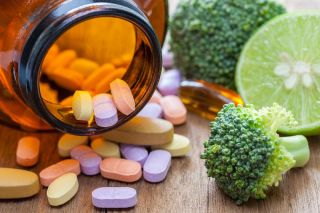
Supplements present a more complicated picture. The Frontiers in Genetics review found signals for interventions such as omega-3 fatty acids and multivitamin-mineral supplements, while nicotinamide riboside and several other heavily discussed interventions showed no detectable effect on the clocks examined.
Results can also depend on nutritional status. Correcting a deficiency is very different from giving additional nutrients to someone who already receives enough.
Longevity Science Is Promising, Not Predictive
Current evidence does not support a single proven treatment that reliably reverses human aging. Biological-age measurements are improving, but researchers still need to determine whether changing a biomarker consistently translates into fewer diseases, better function and longer life.
For now, longevity science appears to be moving away from searching for one miracle compound. The stronger approach may be broader: protect metabolic health, remain physically active, eat well, manage disease and keep testing promising interventions through rigorous human trials.
 Semaglutide extended lifespan and slowed several signs of aging in older female mice in research published in September 2026. The study, reported in Nature and funded in part by the National Institutes of Health, adds a surprising possibility to the growing list of effects linked to GLP-1 drugs: they may influence biological aging itself.


 In the Netherlands, car owners give considerable attention to the rim (velgen) because every rim holds and seals each tire to the wheel while ensuring an appropriate fit. That way, all wheels will effectively distribute the weight of the vehicle across tubeless tires.
 Inasmuch as the rims of a wheel are of significant importance for Dutch car owners, they take notice if their tires are showing certain signs of having rim troubles.



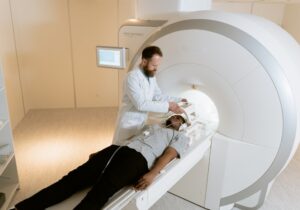





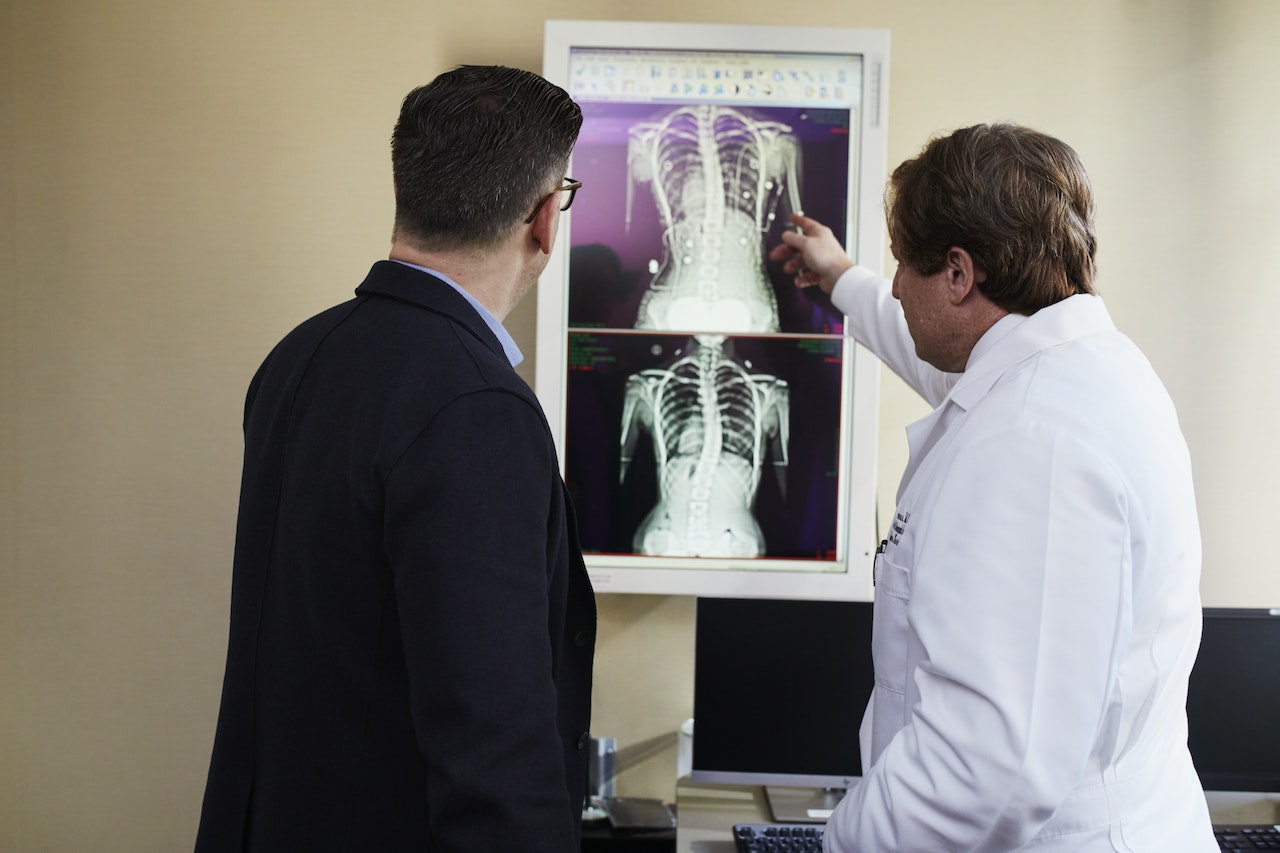



 Losing your hair is frightening. However, for some, it is inevitable due to some illnesses such as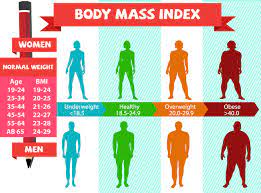







 Privacy is more than a luxury—it’s essential for mental well-being. According to a study published in the *Journal of Environmental Psychology*, controlling one’s personal environment directly contributes to lower stress levels. Fences help carve out personal space, especially in dense suburban settings where houses are close together. A solid fence gives people the freedom to relax outdoors without the feeling of being watched or overheard.
 Some herbal supplements have strong scientific backing. For example, turmeric, rich in curcumin, has been widely studied for its anti-inflammatory and antioxidant properties. Similarly, ashwagandha has shown promise in reducing stress and anxiety. However, not all herbal supplements have conclusive research supporting their effectiveness.








 Train journeys can be an exciting way to explore Germany, but it’s important to ensure you’re fueling your body with healthy food options. In this article, we’ll explore the importance of healthy eating on train journeys and what to look for when choosing healthy food options on German trains.